2010 — Herik Mourão and Beleza na Web
In the first half of 2010, Herik Mourão approached Nicchio with a proposal that would once again change the scale of his work: take over the media operation for Beleza na Web.
It was the first large account under his direct responsibility, with a complex structure, high traffic volume and strong ROI pressure. At that point, monthly media investment was approximately US$50,000.
The operation began from Nicchio's home. Herik visited frequently and served as the bridge to Alexandre Serodio, owner of Beleza na Web. Amid spreadsheets, reports and successive campaign rebuilds, Nicchio deepened a layered optimization approach: categories, products, search terms, keyword cleanup and continuous performance assessment.
It was an important shift. Experience that had begun with small accounts now involved a large e-commerce operation in which media decisions had to answer directly to revenue and return.
2010 — building CookieWEB's media operation
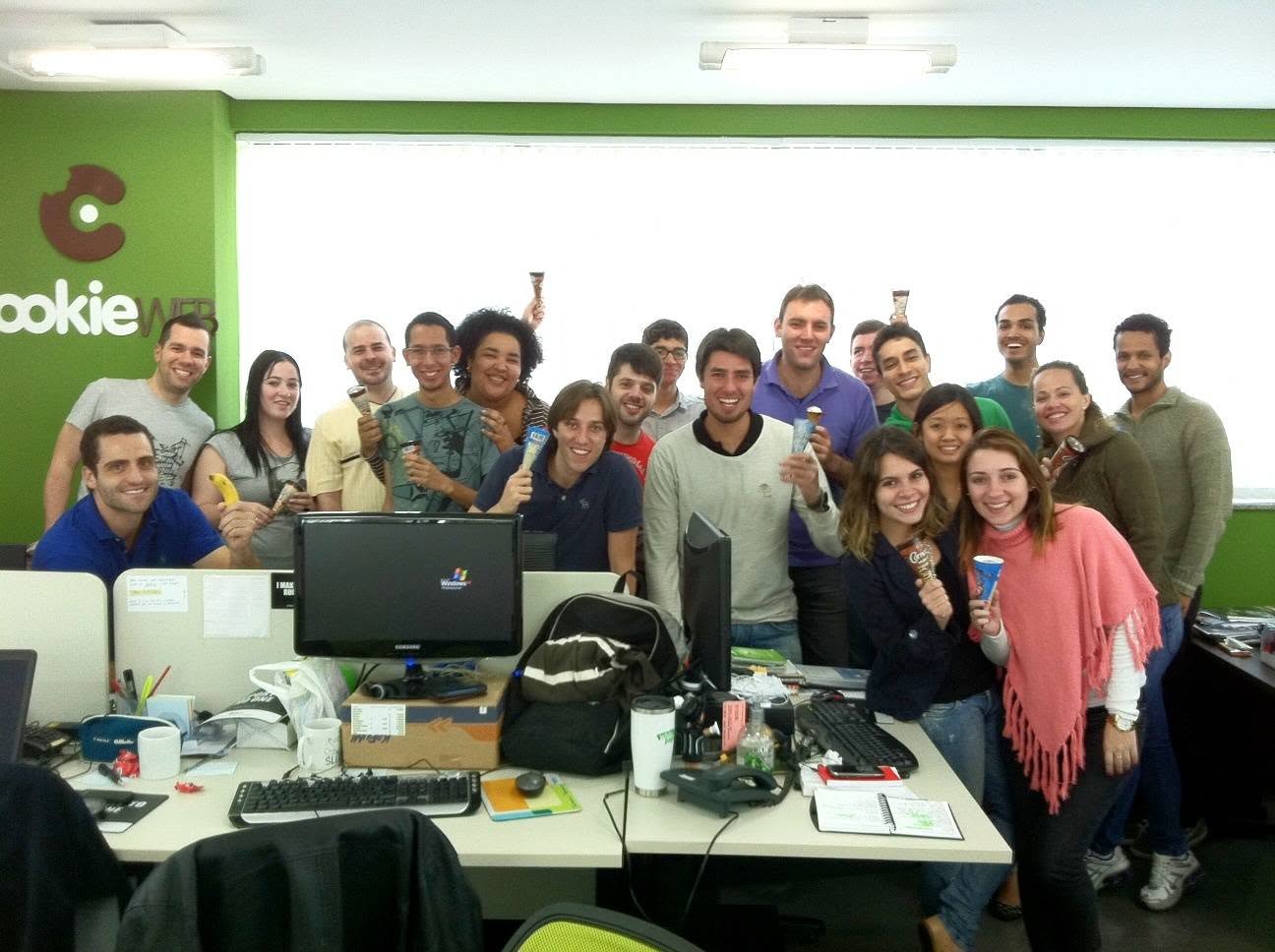
Around June 2010, Herik introduced Nicchio to Natan Sztamfater, owner of a small agency in São Paulo's Bom Retiro district: CookieWEB. At the time, the agency had approximately five employees and focused on website creation and email marketing. In parallel, Herik was negotiating his entry into the business to open a new front: Digital Media.
Soon afterward, the operation was formalized. Beleza na Web, PortCasa and two smaller accounts began to be managed from CookieWEB, opening a new area inside the agency and a new professional stage for Nicchio and Herik.
During the first months of this operation, Nicchio decided to obtain the Google Advertising Professional — GAP certifications. At the time, each exam required a US$50 voucher and there was no free retake after a failed attempt. Preparation involved obsessive study of Google's technical documentation. Passing the exams carried both professional and personal weight: it was the formal consolidation of a field he had entered only a few years earlier largely through self-directed learning.
 Google GAP · certificate 1/3Open record ↗
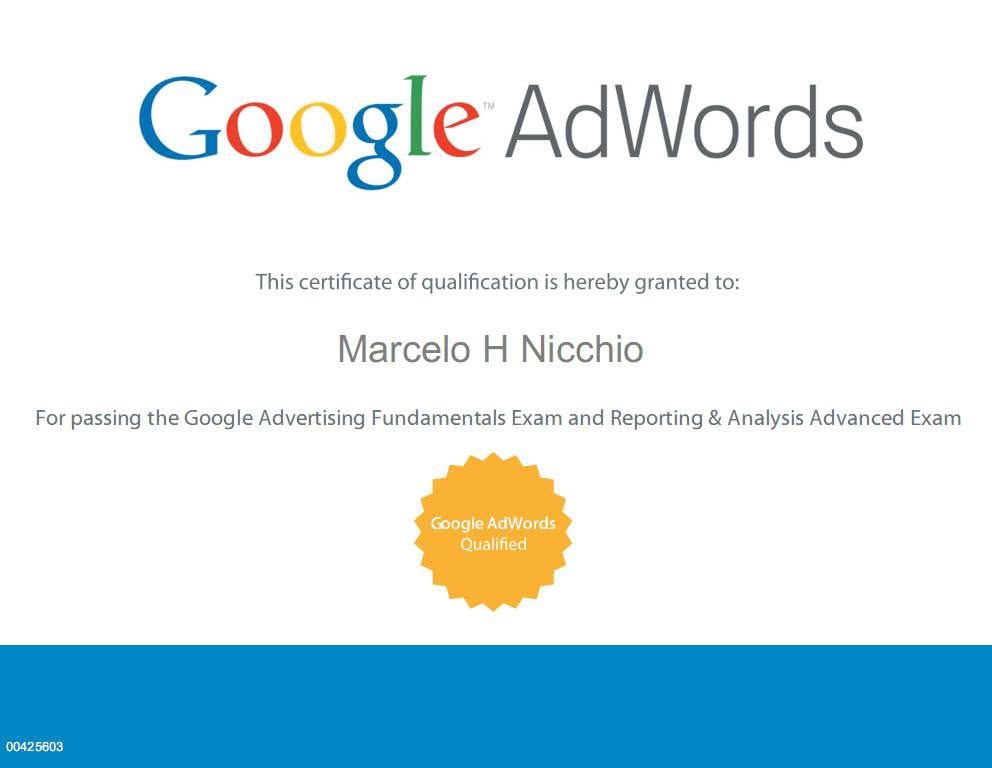 Google GAP · certificate 2/3Open record ↗
 Google GAP · certificate 3/3Open record ↗
2010–2011 — building the team and growing the agency
Operational volume grew quickly. Hiring interns to support account management became necessary. The first was Anderson Ramos, a Business Administration student initially selected by Herik and trained intensively by Nicchio. Anderson became one of the key members of the team and was later hired permanently. More interns and analysts joined as new clients arrived.
At this stage, Herik held the position of SEM Manager, while Nicchio worked as Coordinator, combining coordination, hands-on operation and team training.
In the second month of this new phase, Marcel Werdesheim became a partner in the agency and, together with Natan, participated in new investment and the company's physical expansion. CookieWEB left its small Bom Retiro office and moved to a larger commercial space in Perdizes, prepared for a team of dozens of professionals.
2011–2012 — SEM management, scale and operations
At the new office, the team continued to grow as new accounts were won. Herik and Nicchio took part in client meetings, while Nicchio directly coordinated the media operation with the analysts.
In the first half of 2011, Herik left CookieWEB to take a media role at Beleza na Web. With his departure, Nicchio became SEM Manager, while Anderson Ramos took over operational coordination.
The change significantly expanded Nicchio's responsibilities. In addition to account strategy and supervision, he began conducting periodic client meetings, hiring professionals, monitoring KPIs and organizing the area as a whole. To improve oversight, the team adopted the Canadian platform Acquisio, used to monitor indicators and optimizations across different accounts, and Asana, used to structure recurring campaign creation, management and optimization processes.
By the end of 2011, CookieWEB was managing more than 22 accounts simultaneously, by a conservative estimate. They included Marcyn, Aramis, Shoulder, Star Point, CNS, Norah and other mid-sized brands. The media area grew to six analysts plus interns, while the agency as a whole reached roughly thirty professionals. A contemporary article about CookieWEB's expansion lists several of these same clients in the agency's portfolio. Alshop · Jul. 18, 2012 ↗
The variety of accounts also broadened Nicchio's experience enormously. The team served businesses with radically different products, margins, purchasing cycles and audiences — from sex shops to wheelchair manufacturers. In practice, the work showed that efficient media did not depend only on the campaign: operations, product, pricing, logistics, conversion and business capability shaped results just as strongly.
Living with dozens of business models deepened a view of performance that was no longer limited to keywords or ads.
People, culture and belonging
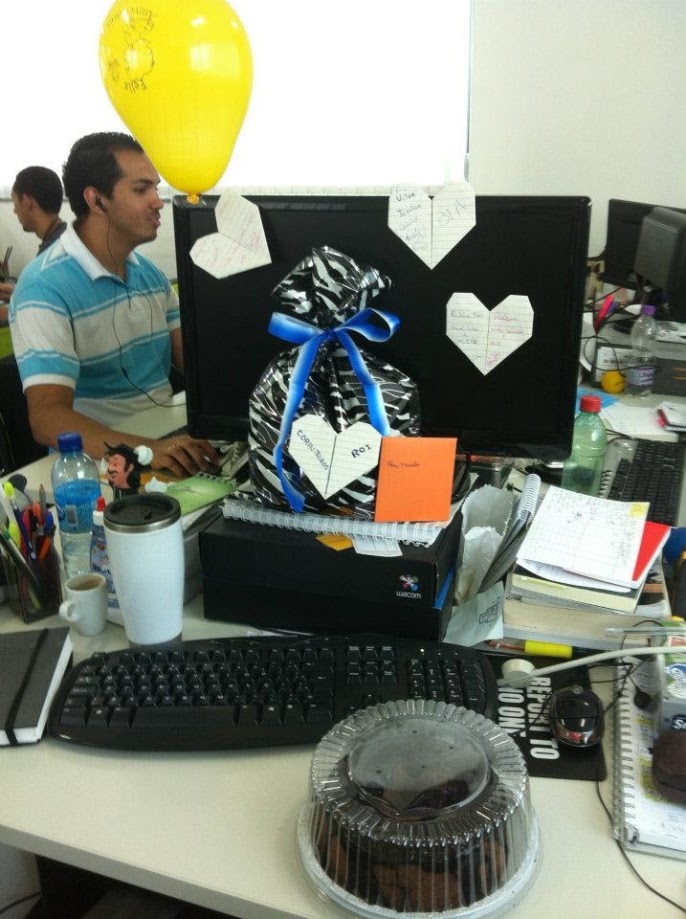
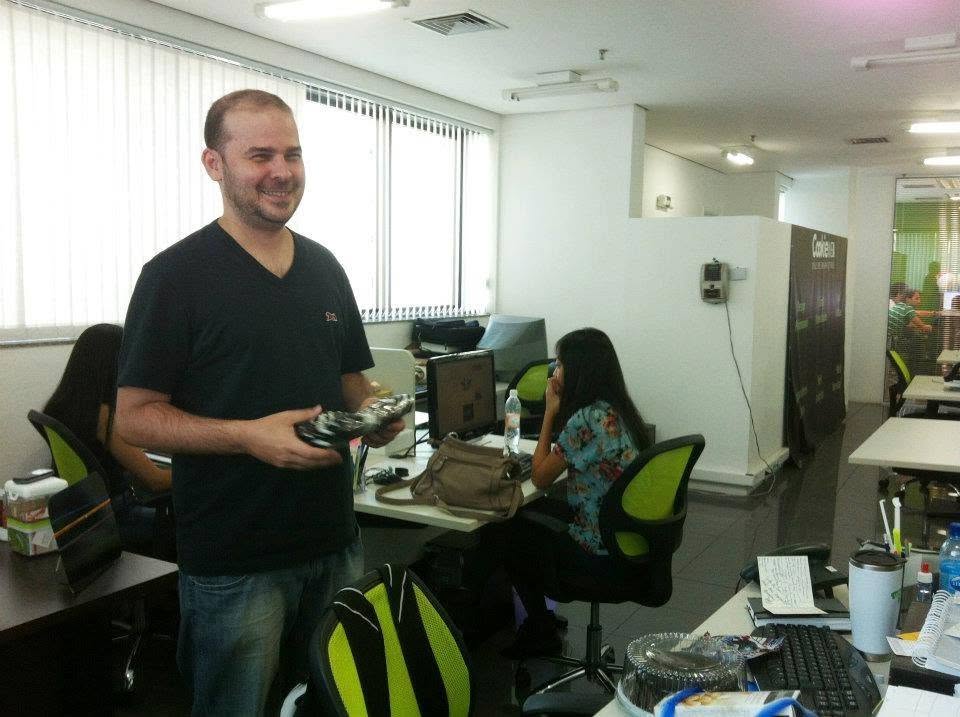
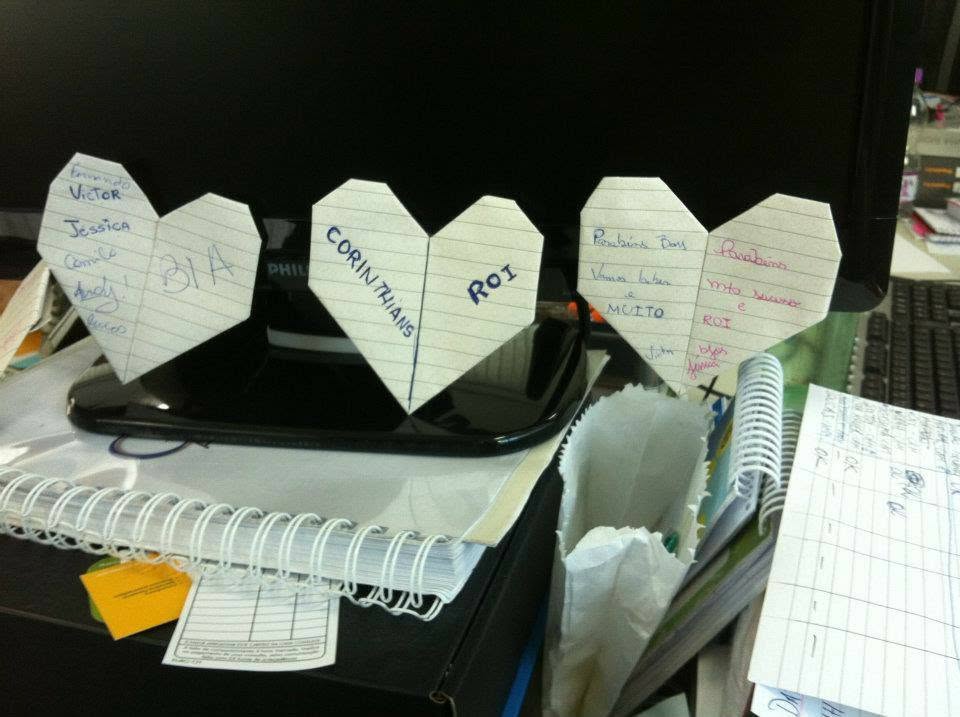
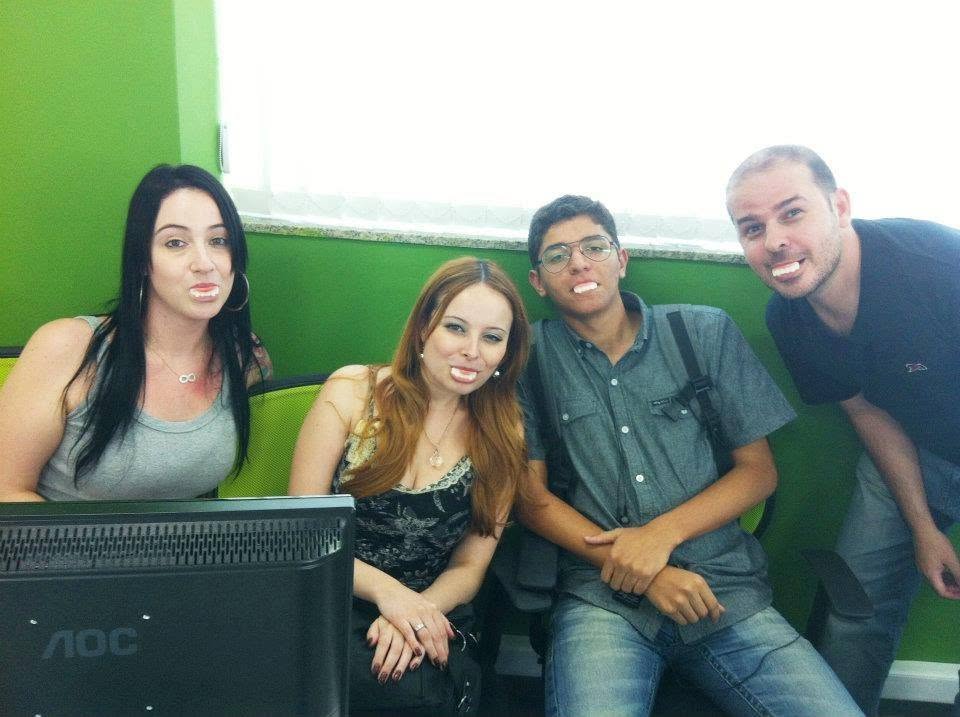
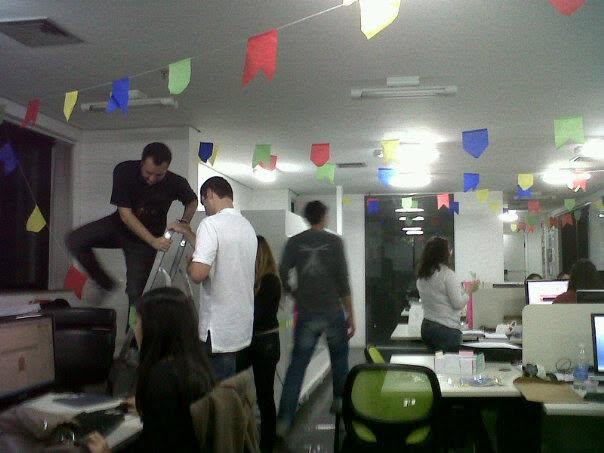
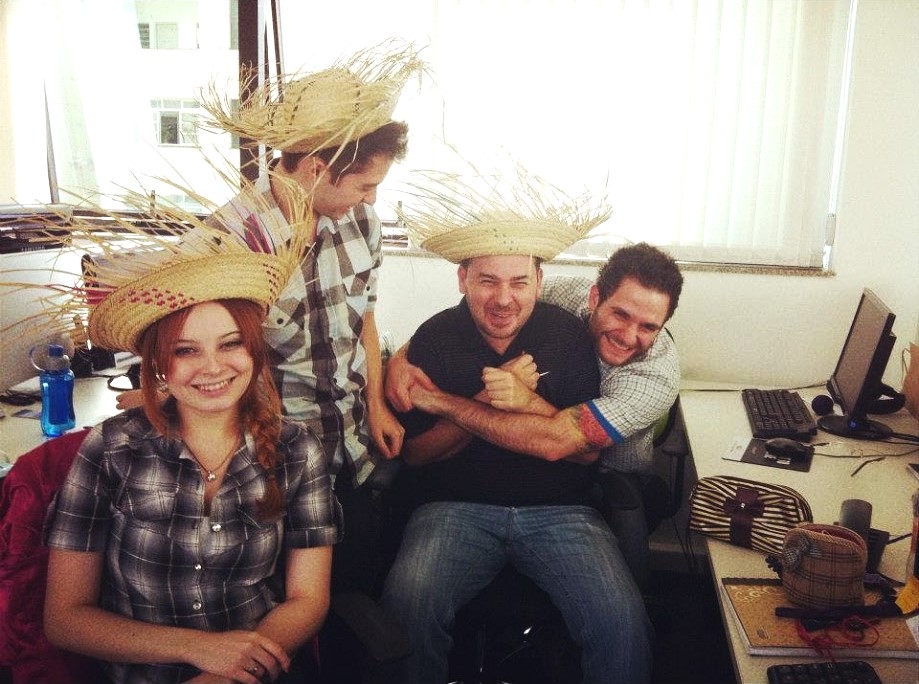
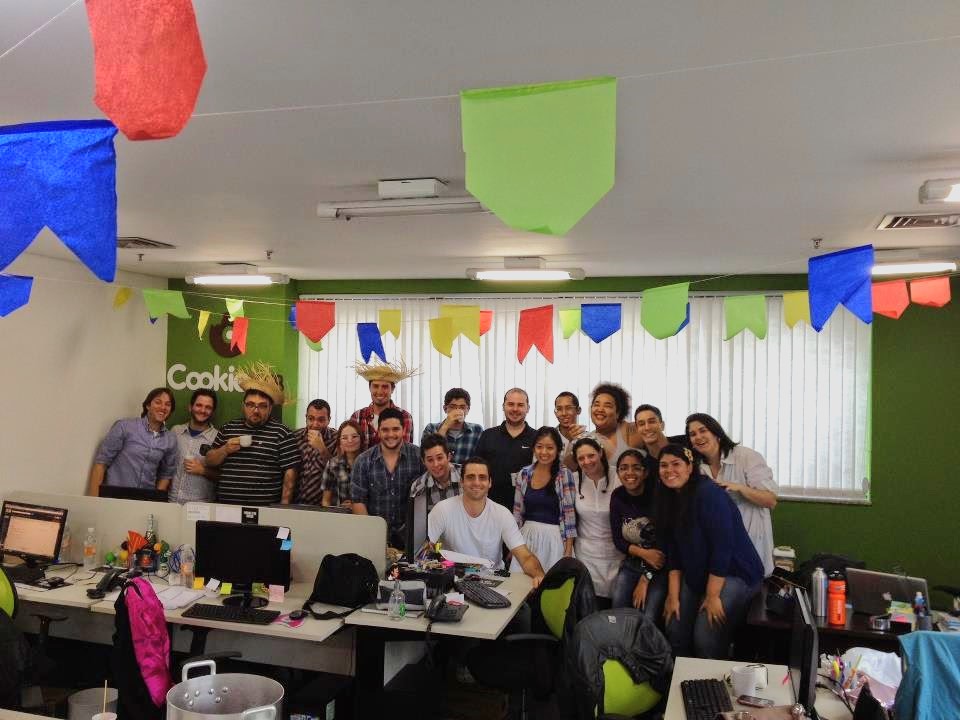
As the team grew, Nicchio also began focusing on a less quantitative dimension of the operation: belonging. Internal events such as the agency's June festival created moments of shared life outside the daily pressure of the accounts.
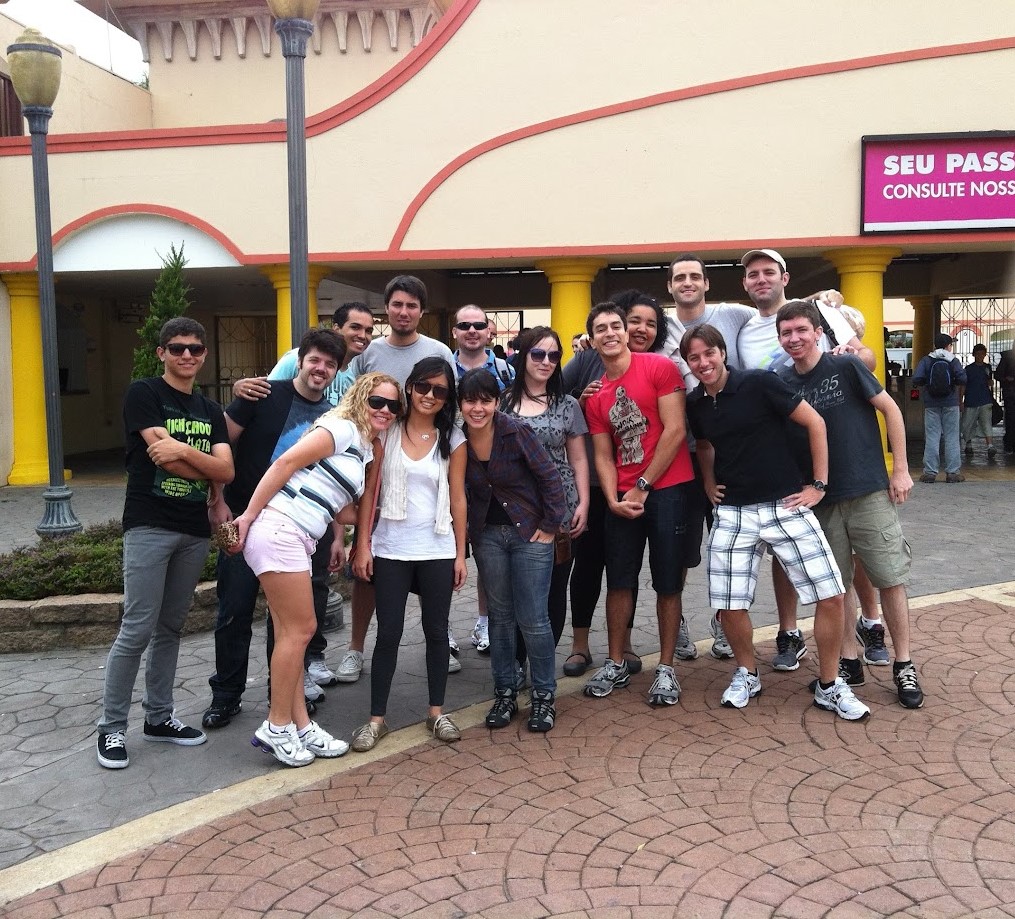
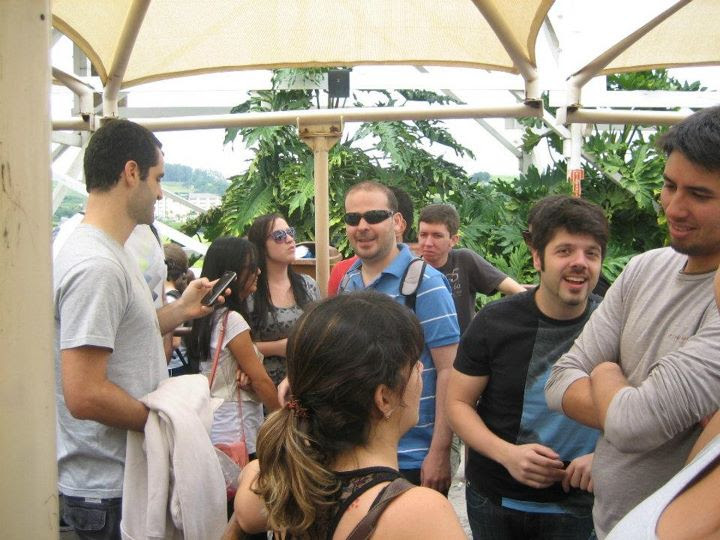
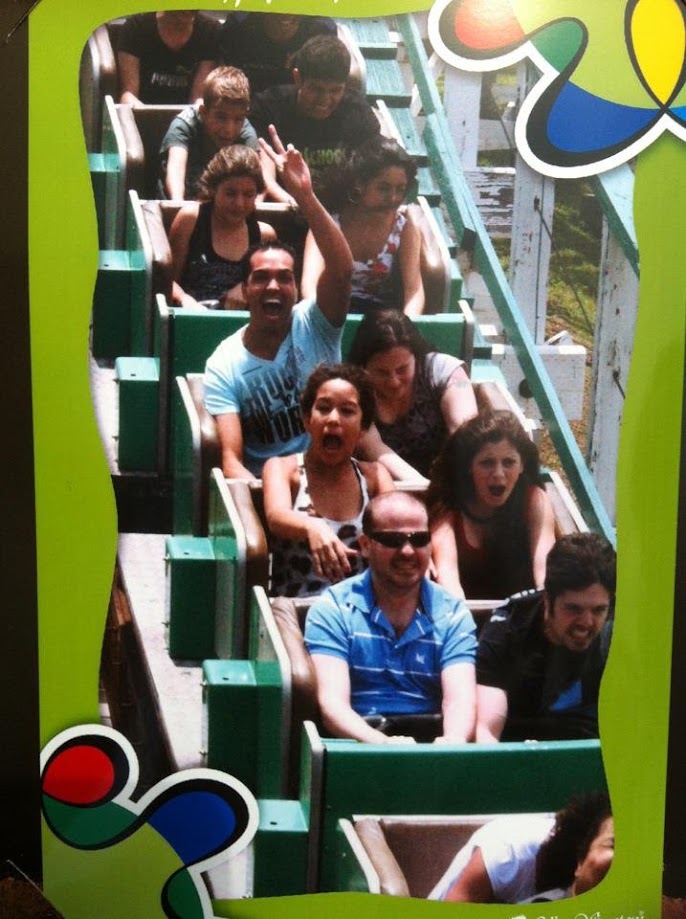
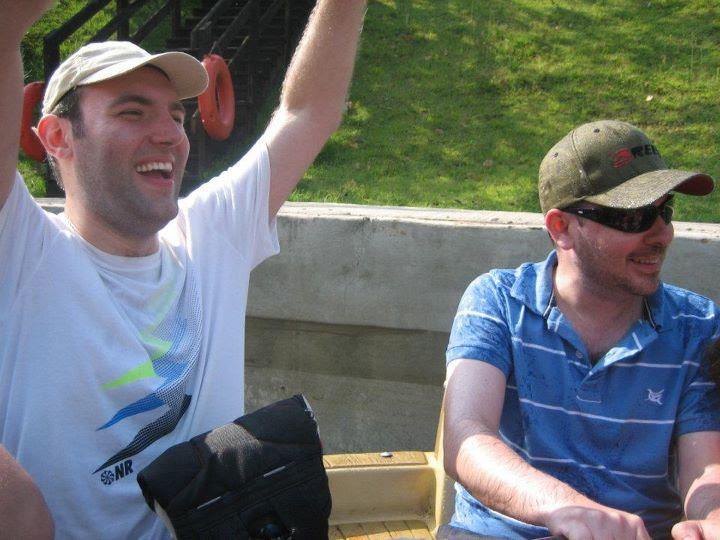
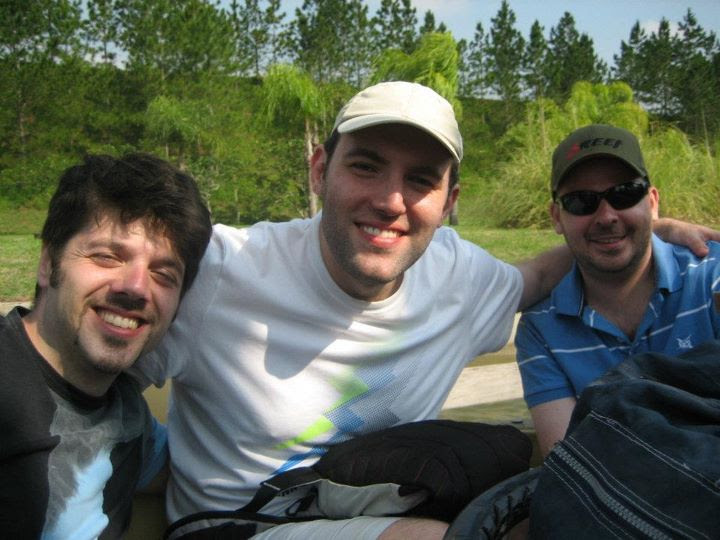
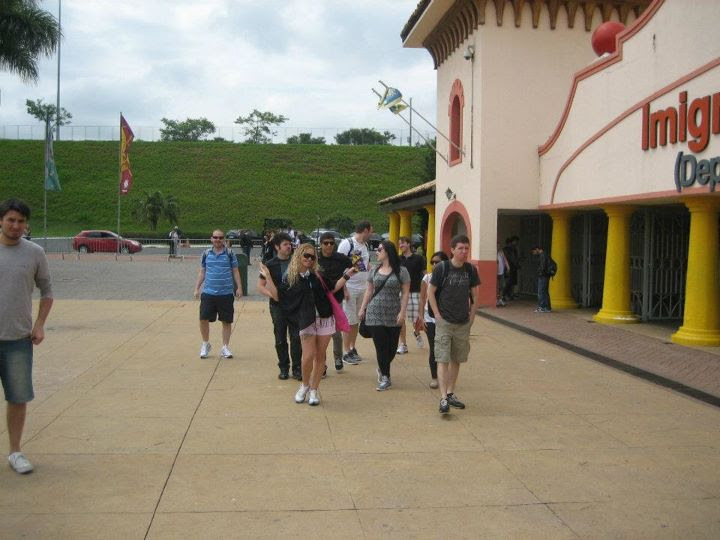
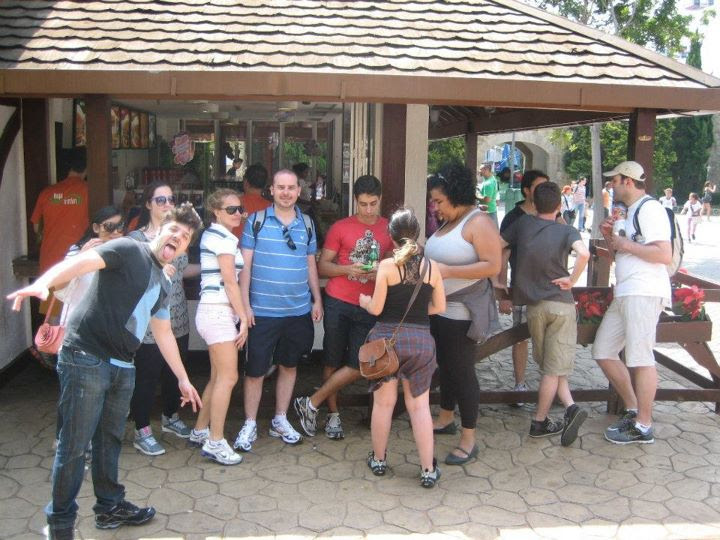
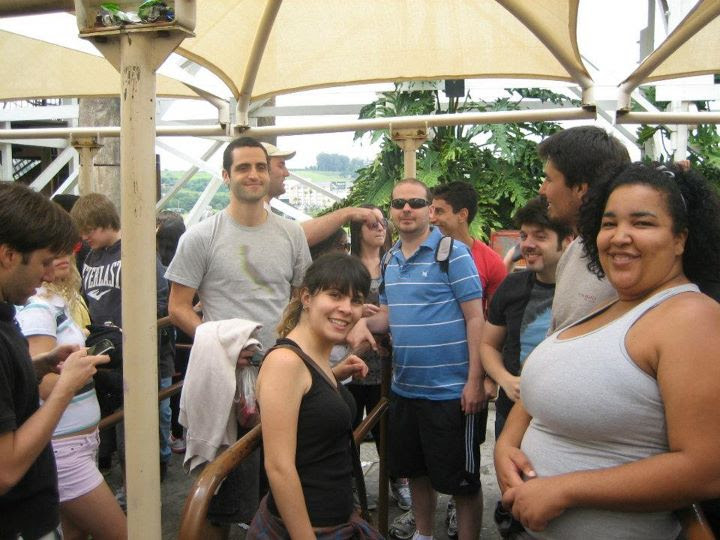
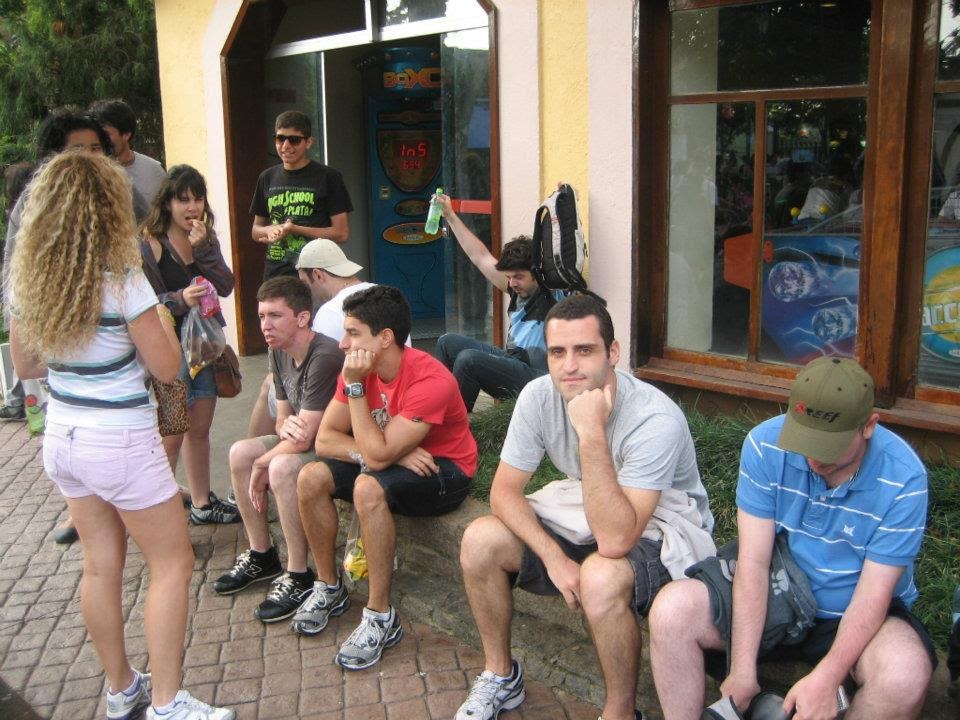
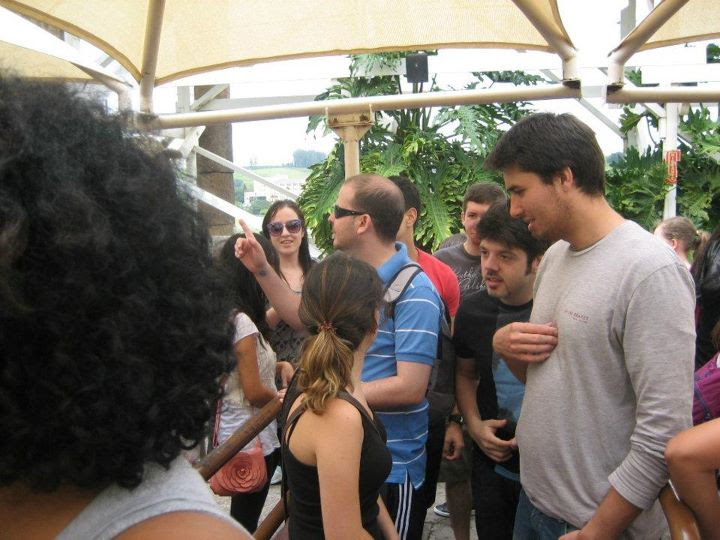
At the end of 2011, inspired by practices he observed at younger agencies in the market, he proposed something then unusual in CookieWEB's culture: close the agency for a day and take the entire team to Hopi Hari. The proposal initially met resistance. For Nicchio, however, the reasoning was simple: an operation that demanded so much from people also needed to create positive experiences for those sustaining it.
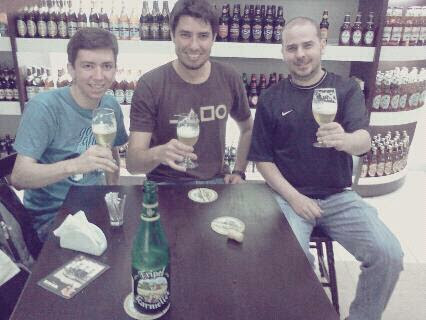
The agency closed that day. Some close clients complained; employees and partners went to the park together. In Nicchio's memory, it was an especially happy day — and a small change in the culture of a company that had grown very quickly.
2012 — closing the CookieWEB cycle
In 2012, the structure built during the previous year continued operating at large scale. Beyond the constant pressure of the accounts, there was the challenge of developing and retaining a very young team. Nicchio was 35 at the time; many analysts were between 22 and 25.
Among the professionals who took on greater responsibility were Anderson Ramos and Camila Jordão. Nicchio saw complementary strengths in them: Anderson had strong technical command, while Camila stood out for leadership. Before taking a vacation that year, he left the continuity of the operation especially supported by the two of them.
On July 18, 2012, Natan Sztamfater and Marcel Werdesheim announced the acquisition of a stake in ProfitE, then located in Vila Olímpia. The deal, publicly reported that same day at R$3.2 million, would also move CookieWEB's physical operation to that area. Contemporary acquisition report ↗
For Nicchio, the move would add more than an hour to his daily commute at a time when the intensity of the operation had already significantly affected his quality of life. After a little over two years of accelerated growth, he decided to end his cycle at the agency.
Natan and Marcel spent several weeks trying to convince him to stay. Nicchio, however, was not leaving CookieWEB to take another position. The decision was to interrupt the pace, travel, breathe and consider new opportunities later.
He left the company on good terms, making clear that quality of life had become a non-negotiable limit.