BBS culture
Nicchio was an intensive user of BBS services including SP Online/STI and Mandic. This period marked his first sustained contact with digital communities, menu-driven navigation, file exchange, messaging and network culture before the commercial web became mainstream in Brazil.
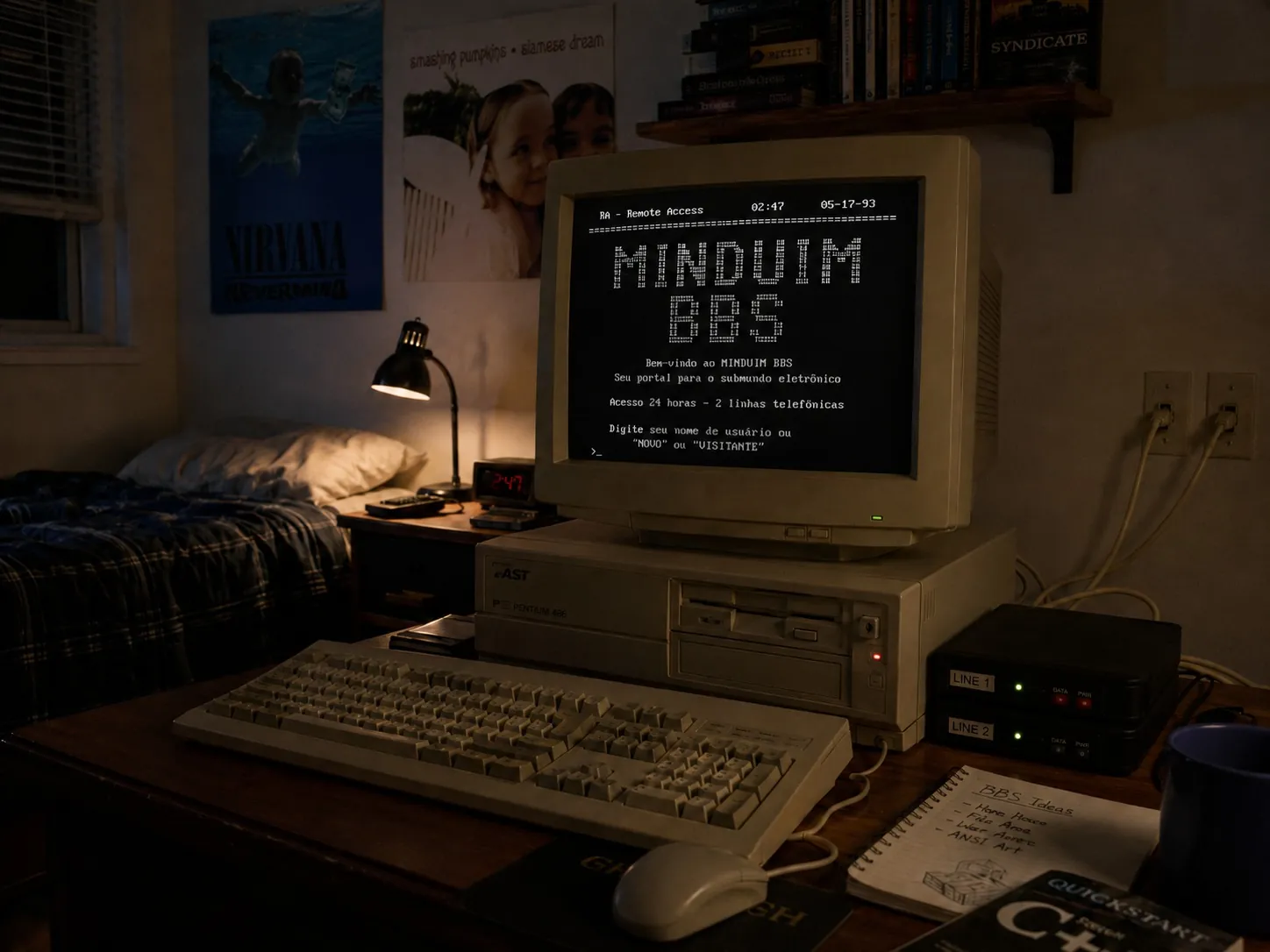
In parallel, he created Minduim BBS, a personal experiment built with RemoteAccess software and two telephone lines. The project was experimental and non-commercial.
Transition to the commercial internet
The move from BBS systems to the internet was continuous. From 1996 onward, Nicchio began using commercial internet access through STI, the same company that had previously provided his BBS access. Networked activity expanded beyond bulletin boards alongside the growth of Brazil's commercial internet.
PSINet and corporate hosting
In 2000, Nicchio worked at PSINet, an international internet infrastructure and hosting company, in commercial work related to Corporate Hosting. It marked a shift from the internet as a field of personal exploration to the internet as a professional market as well.
Mirantte News: digital product, acquisition and the discovery of Search
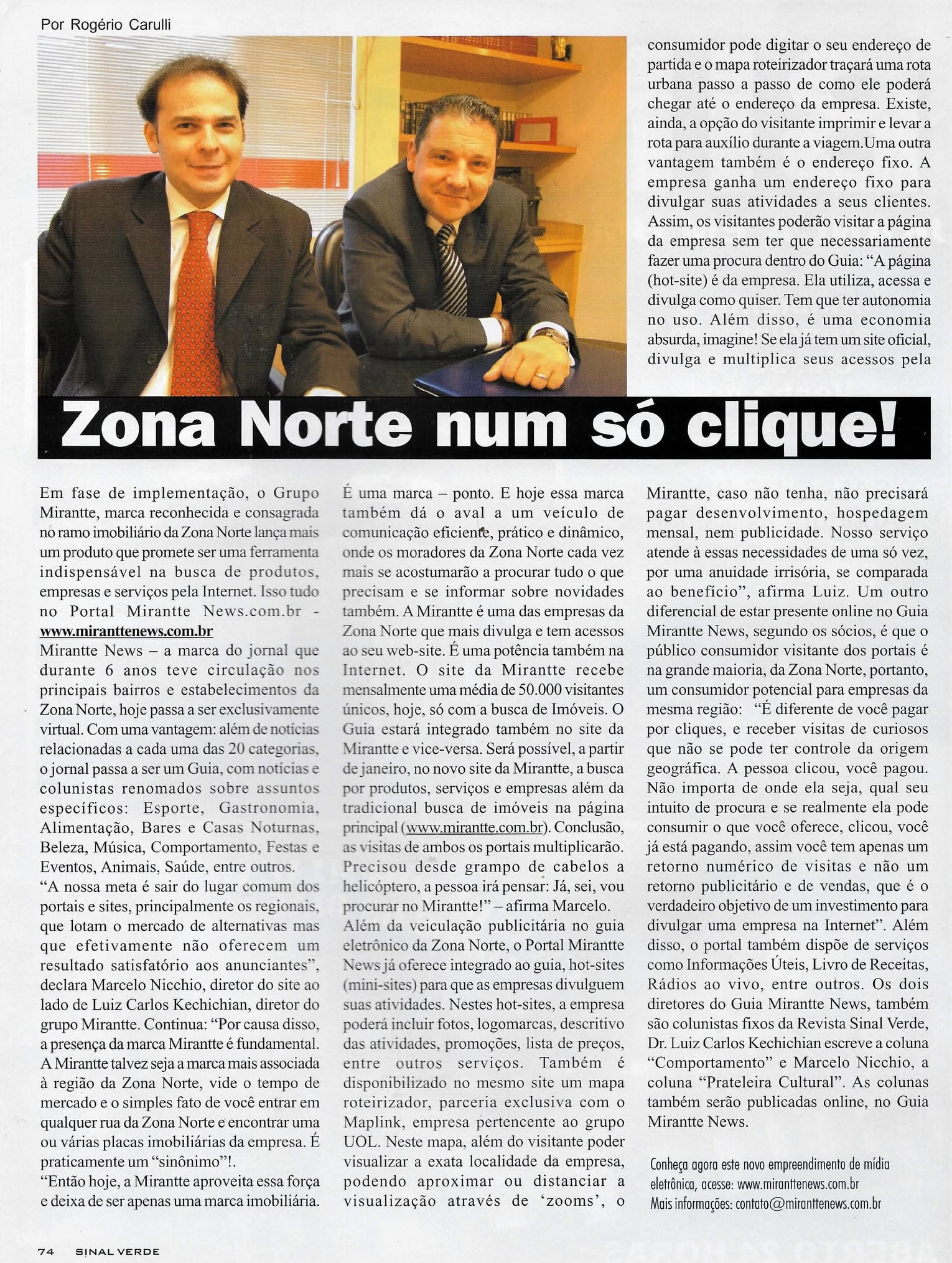
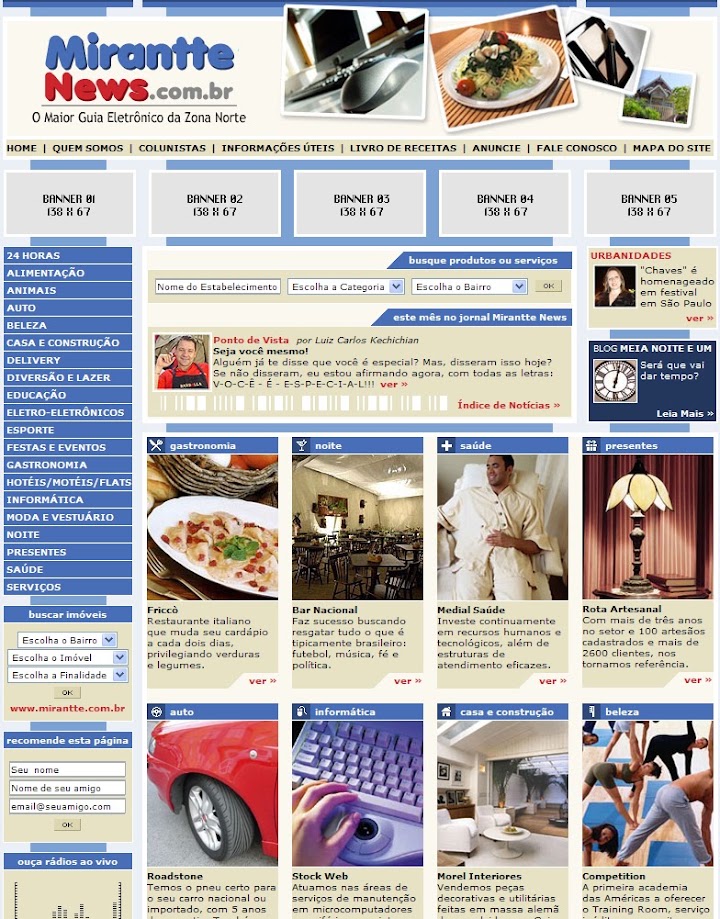
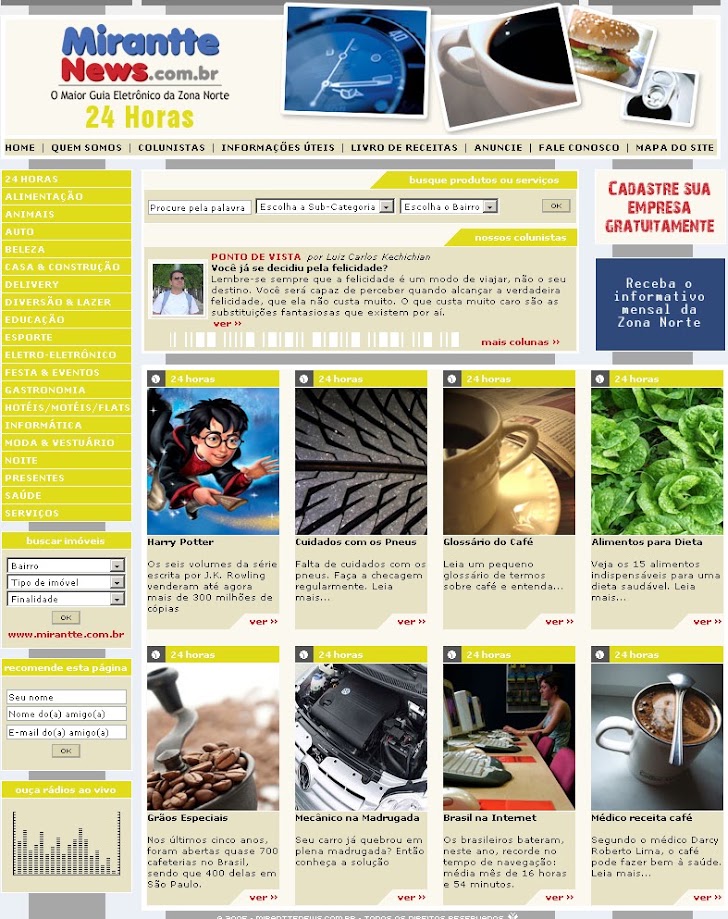
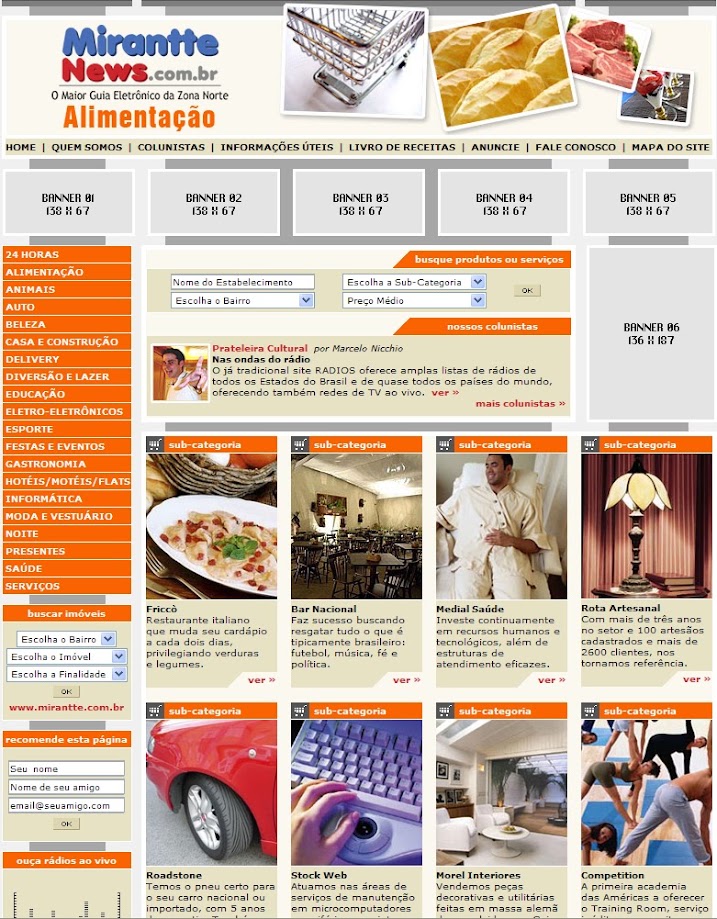
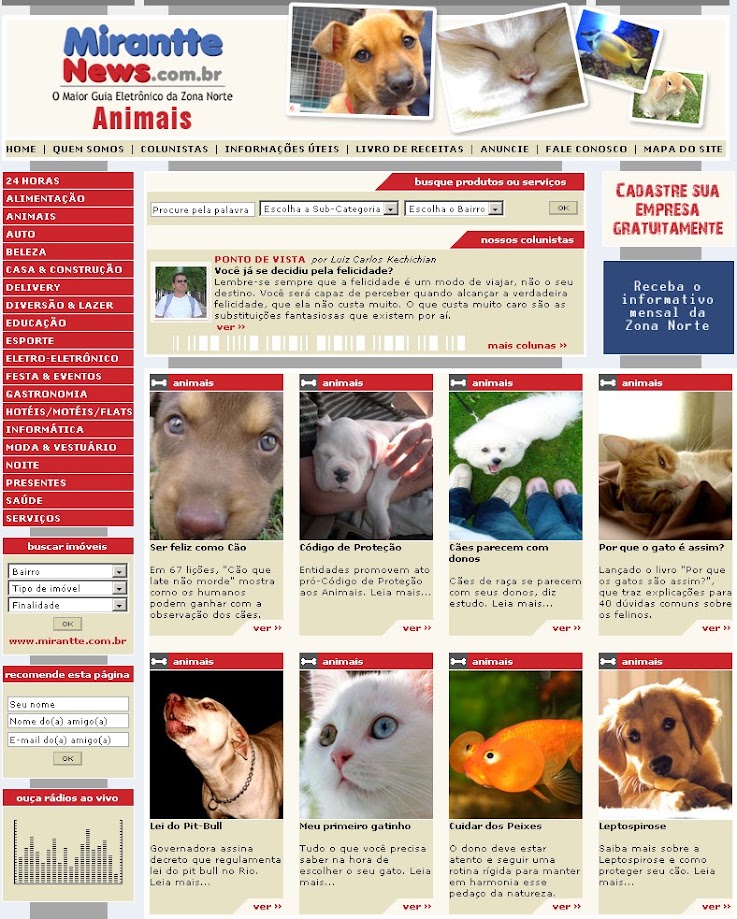
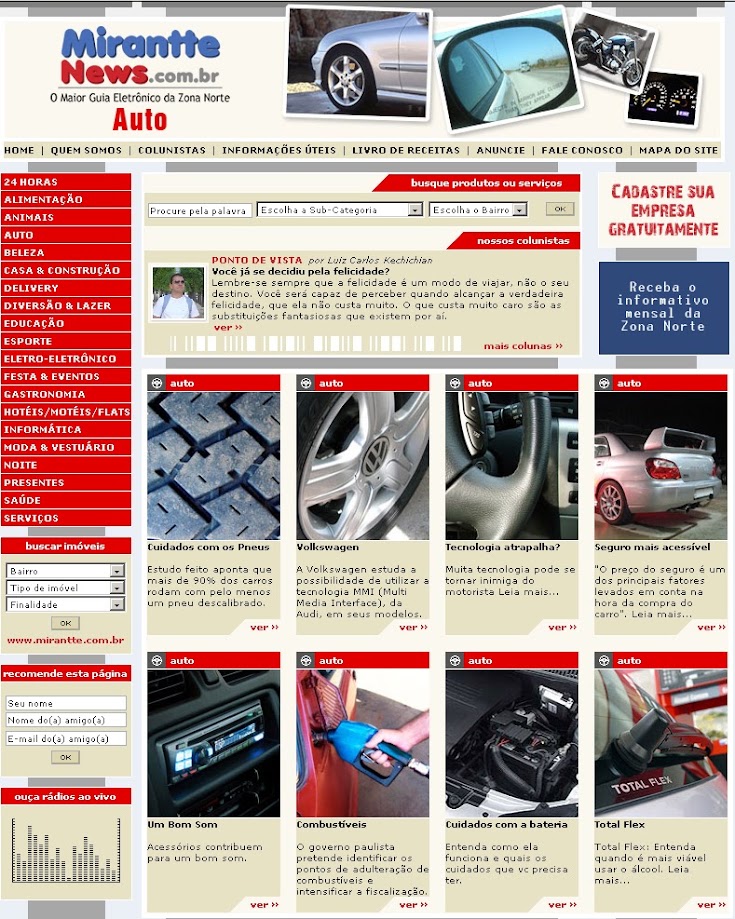
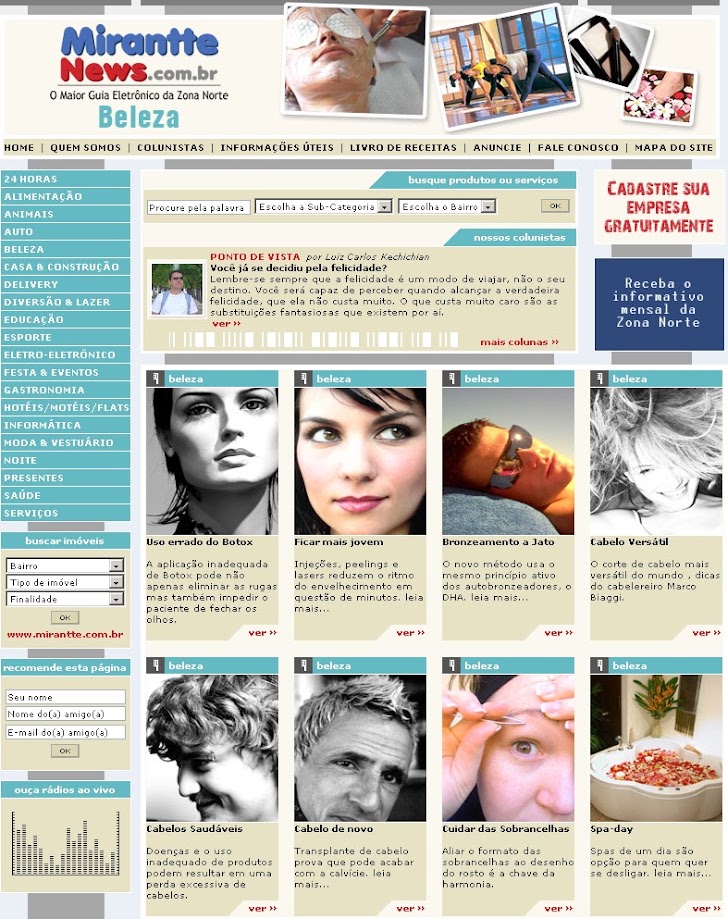
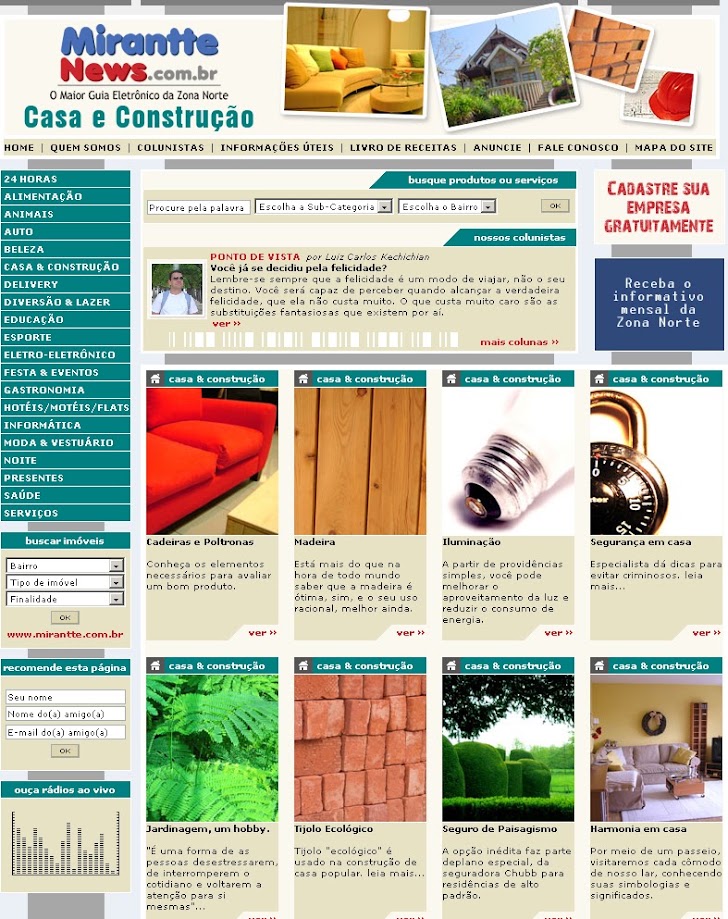
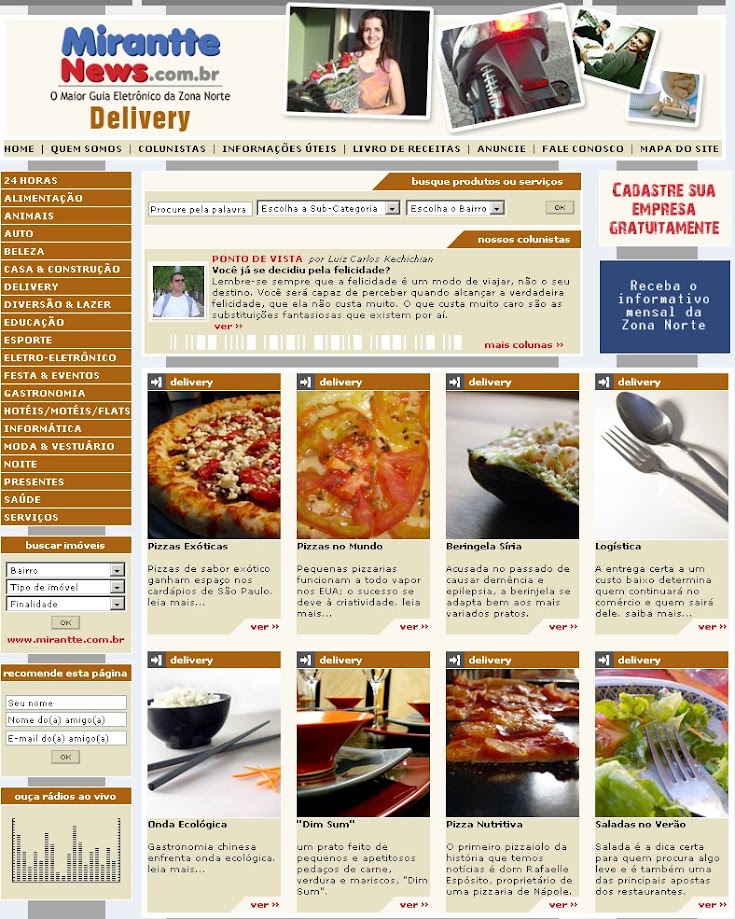
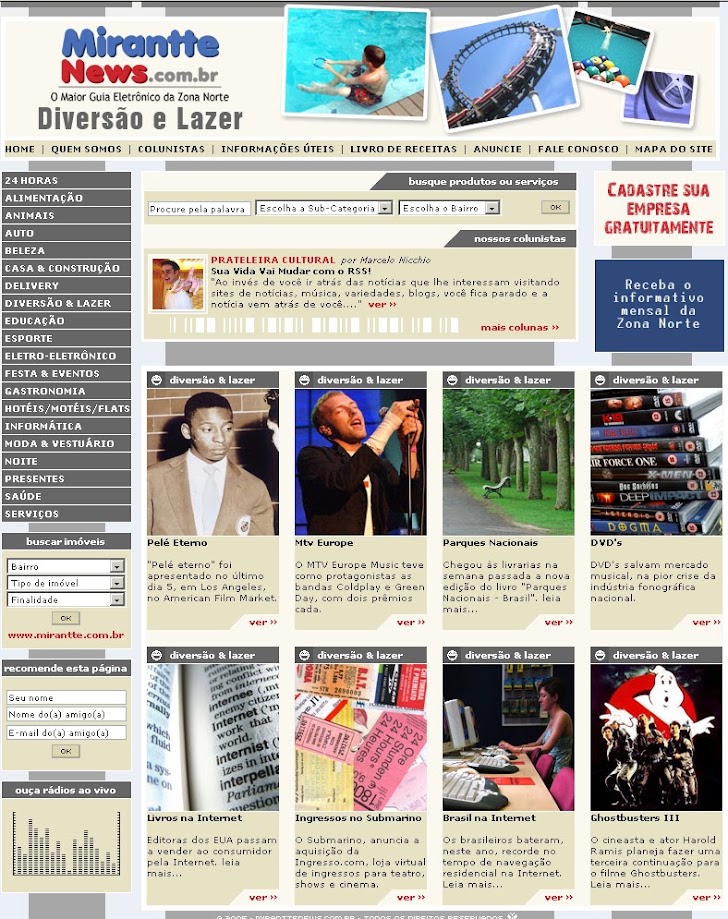
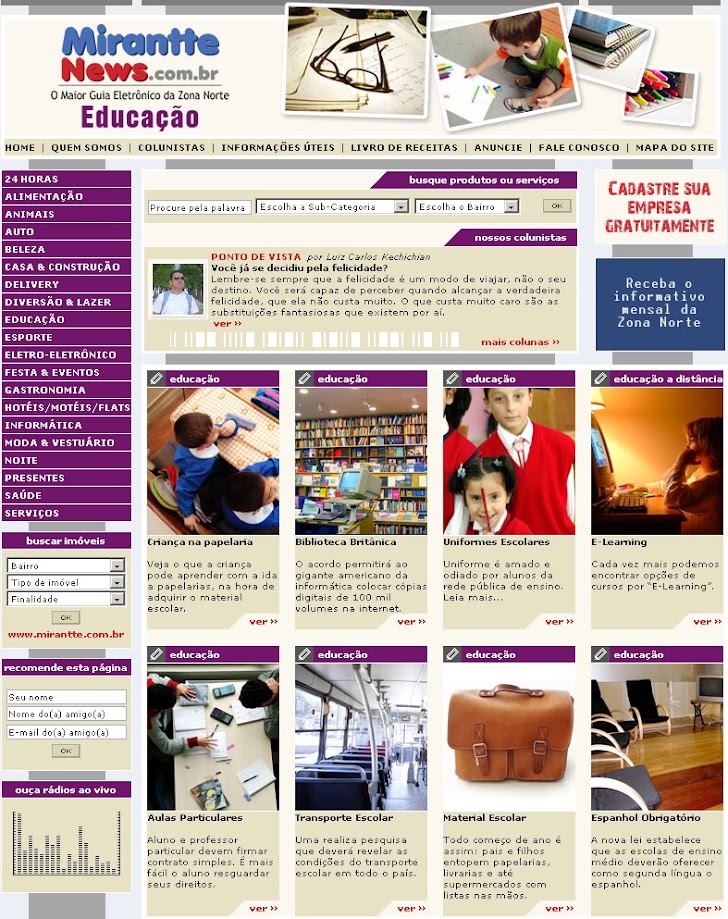
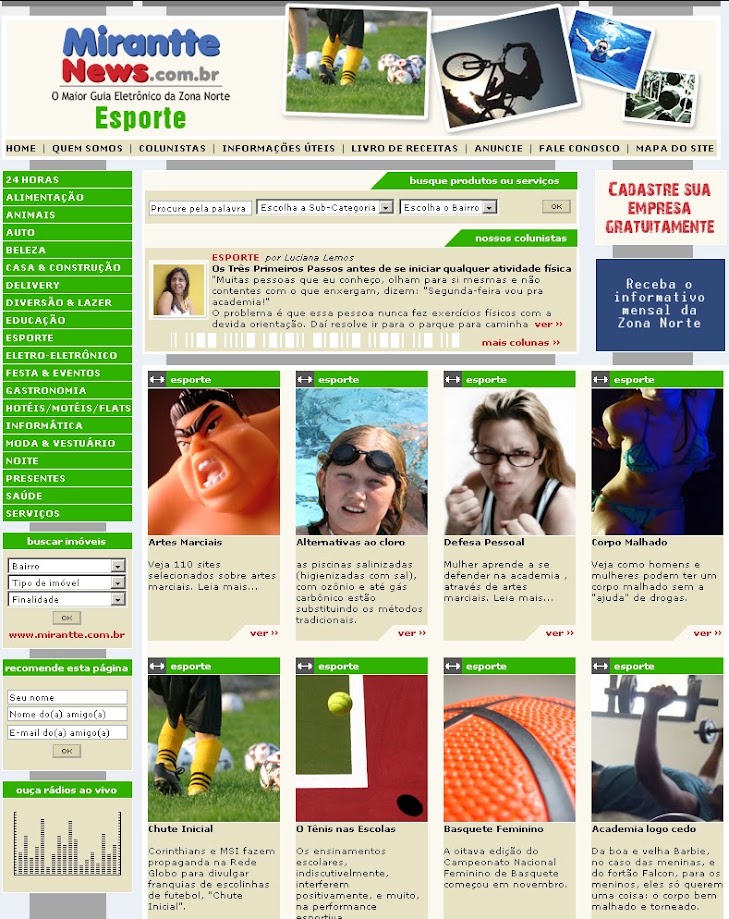
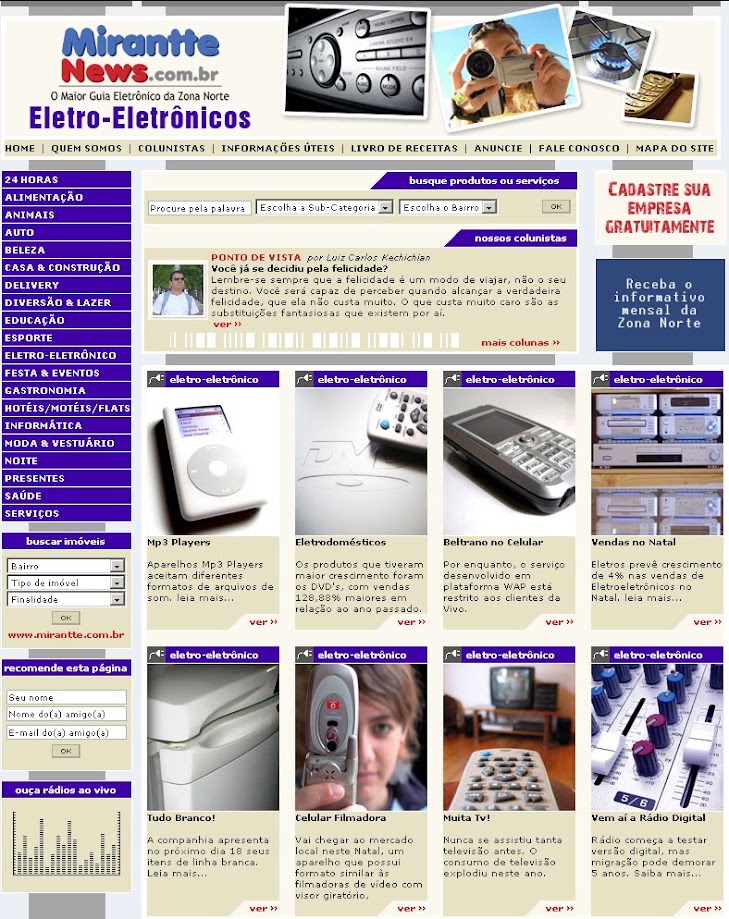
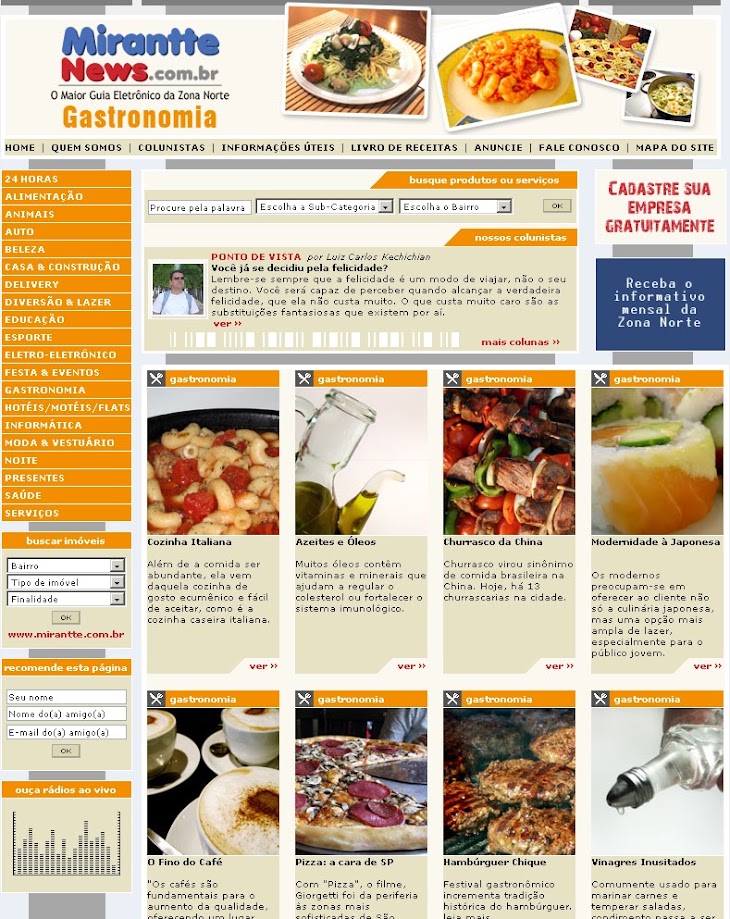
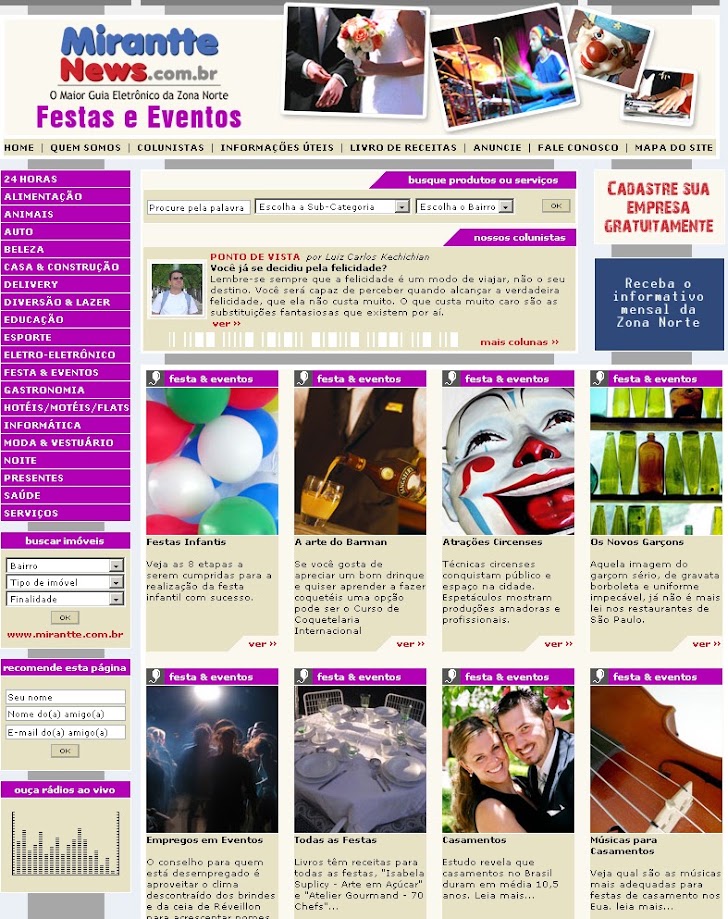
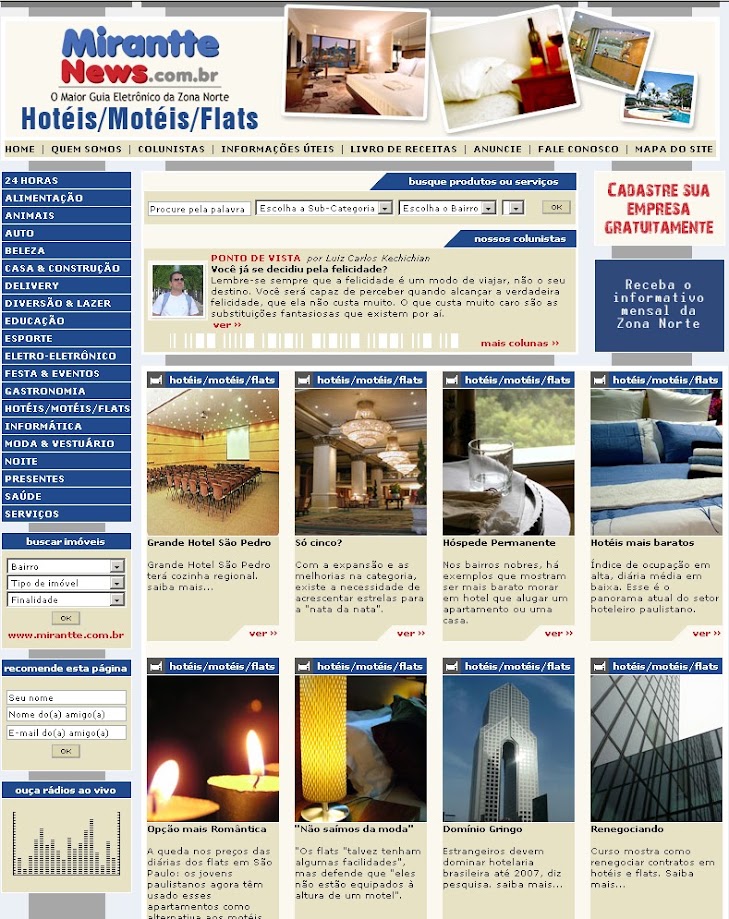
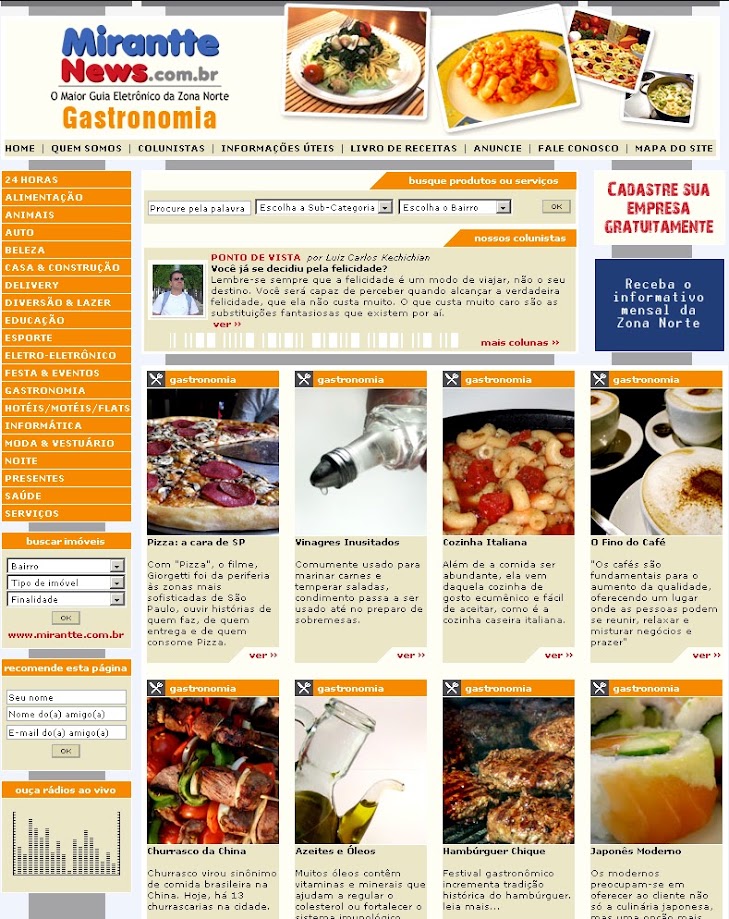
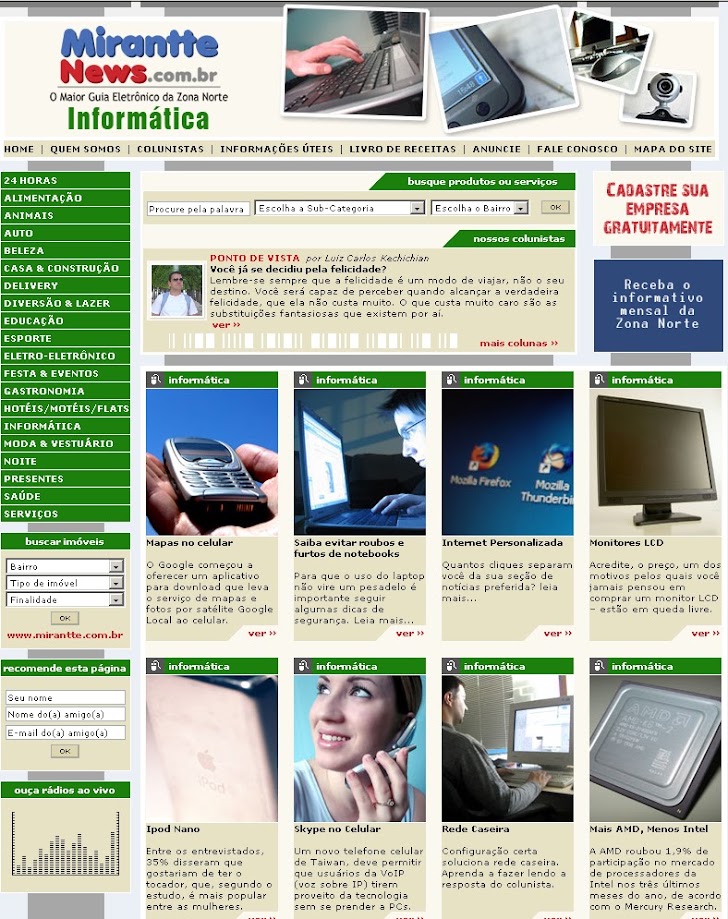
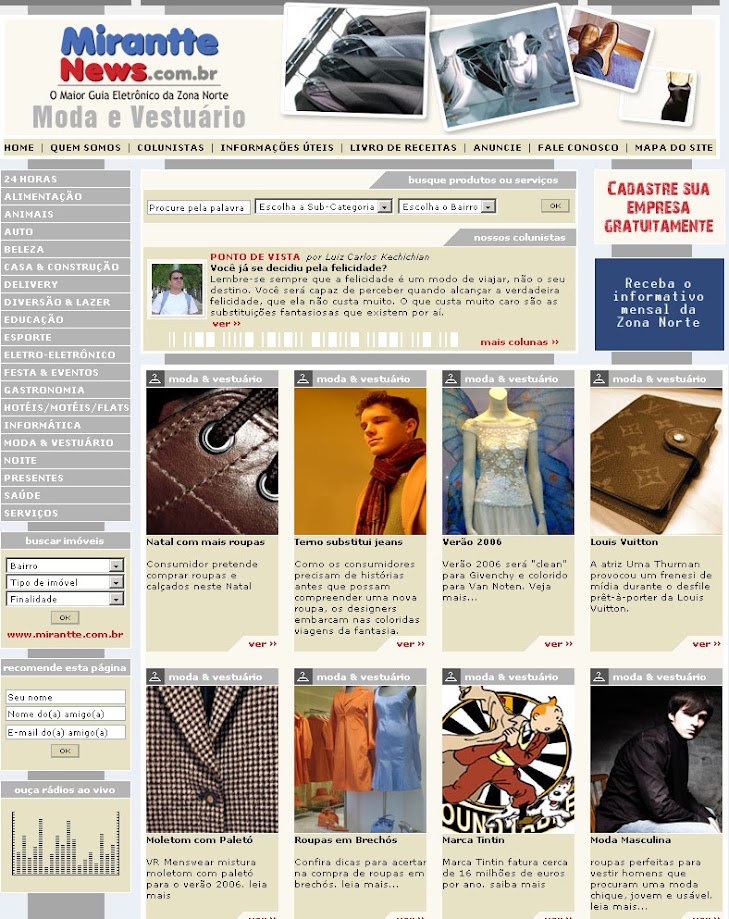
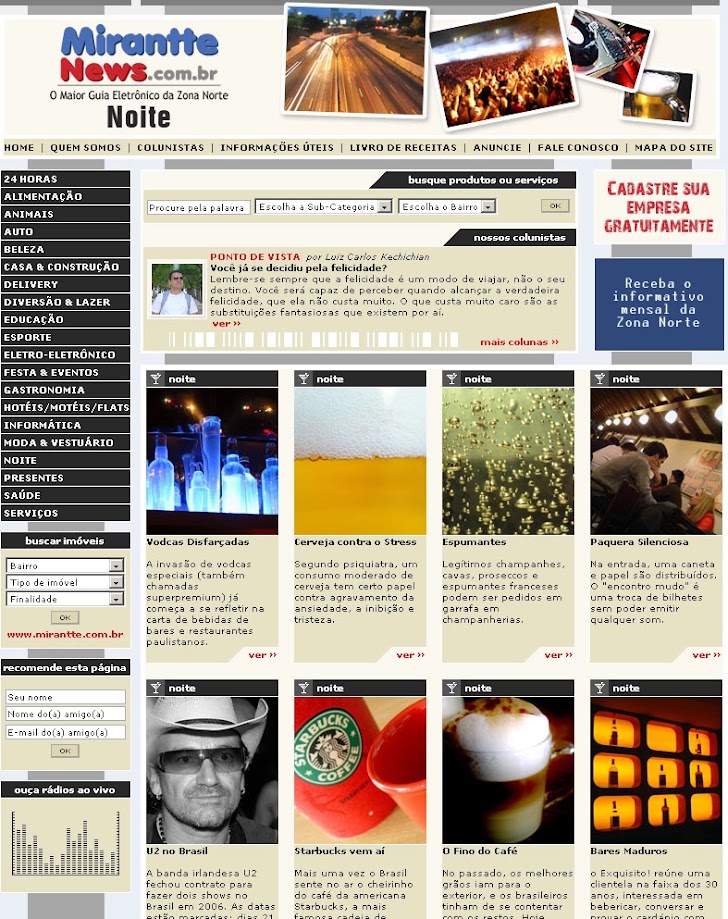
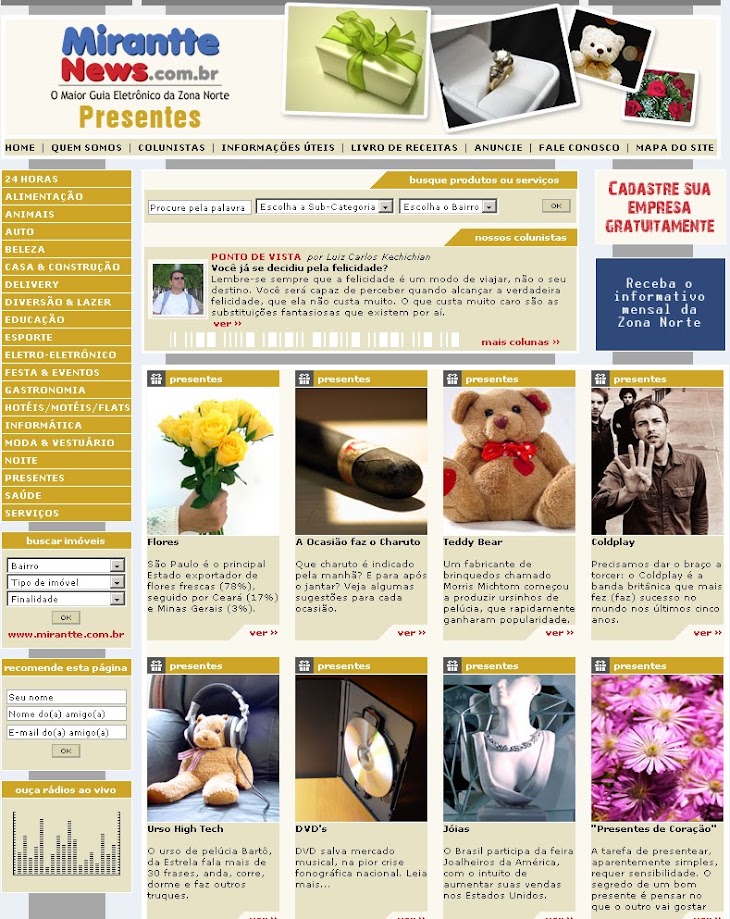
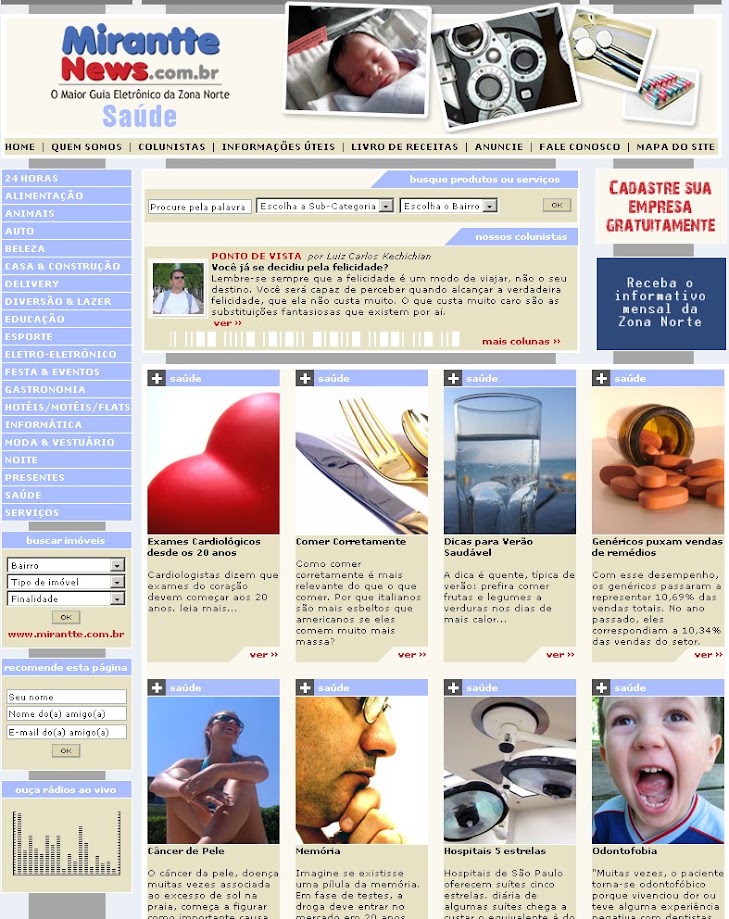
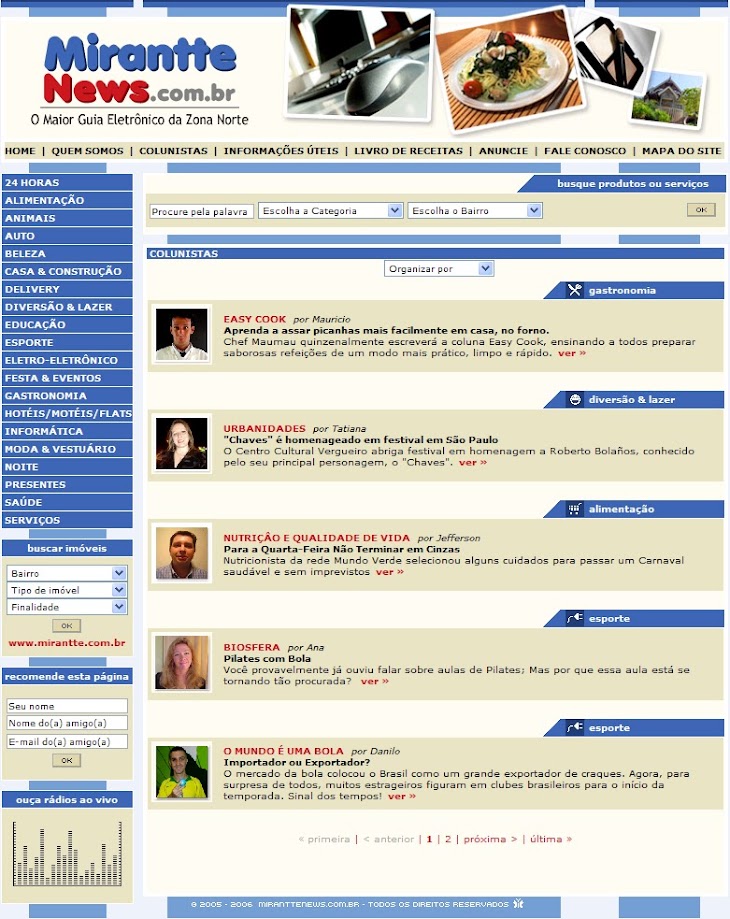
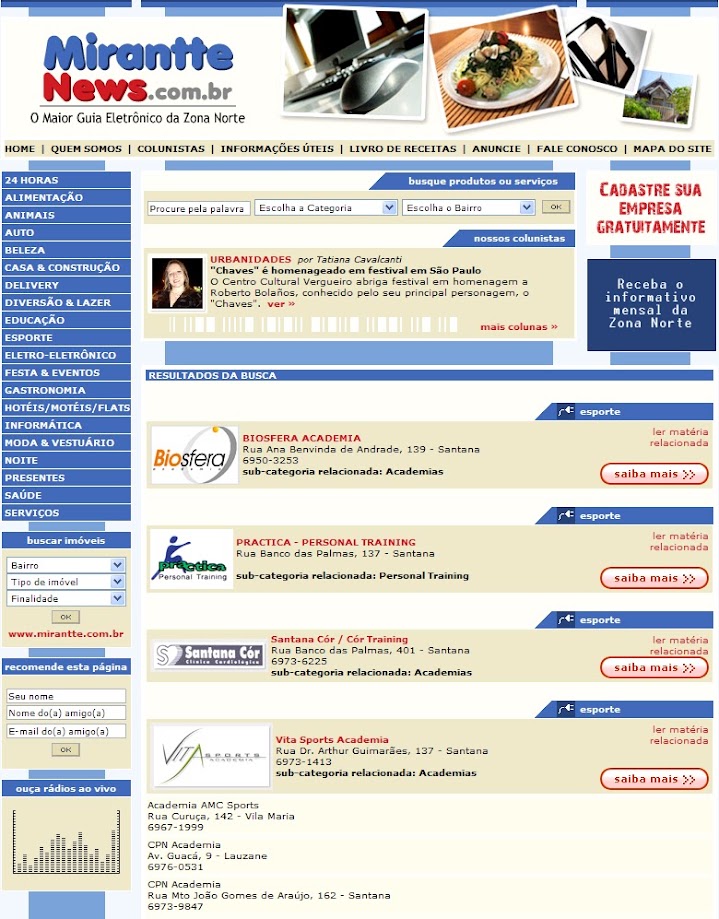
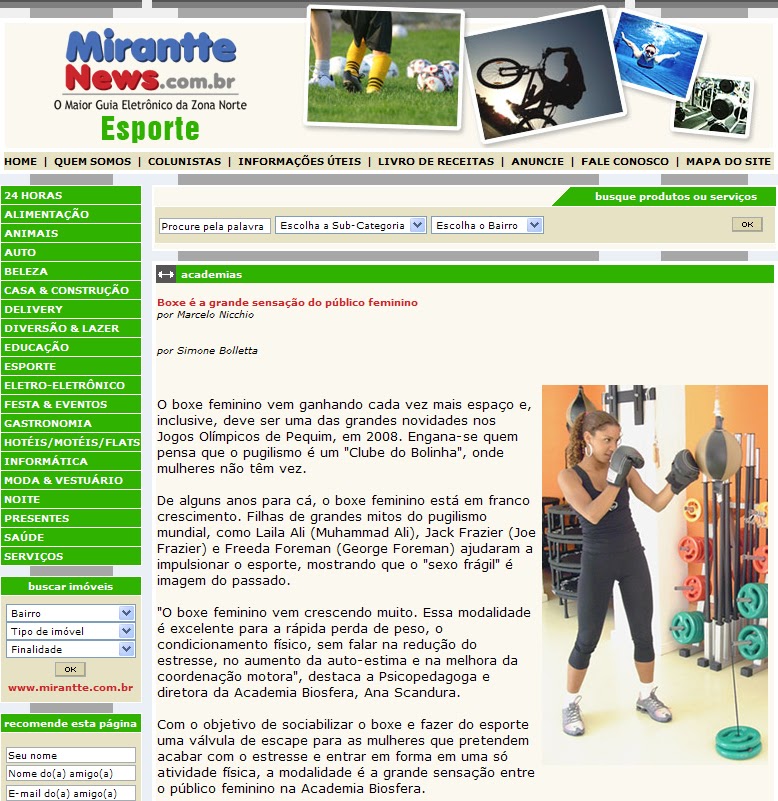
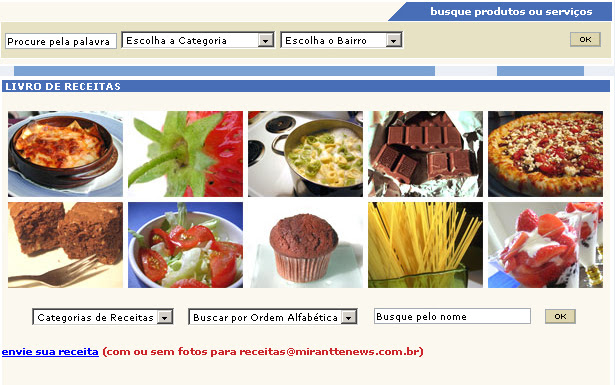
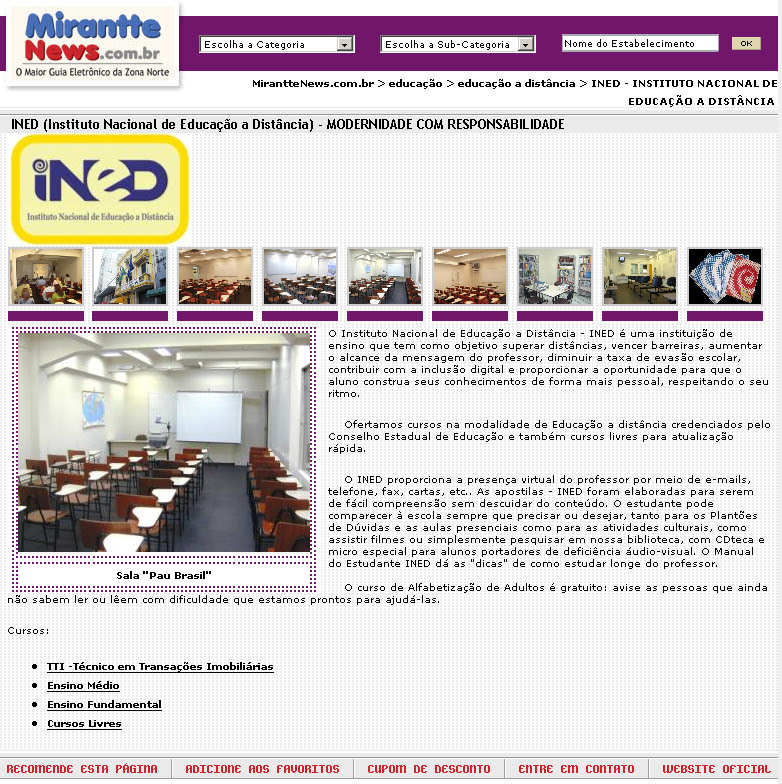
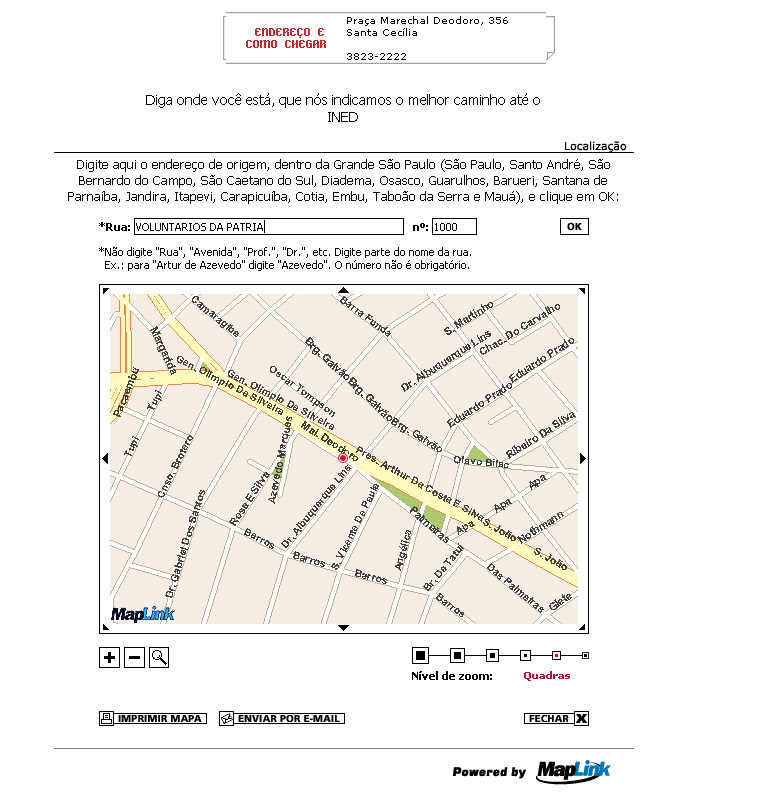
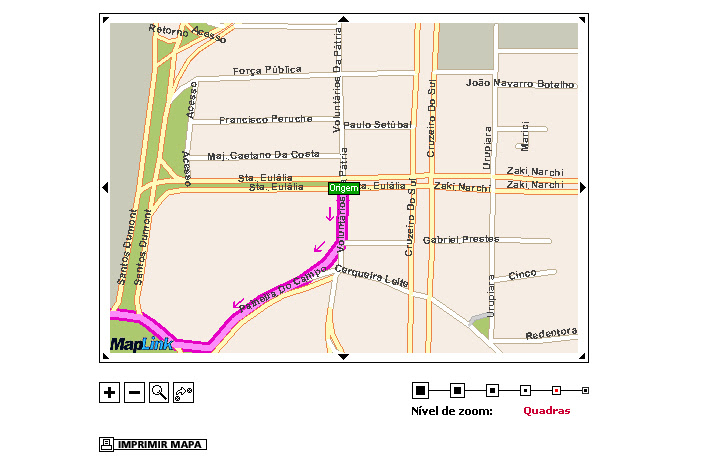
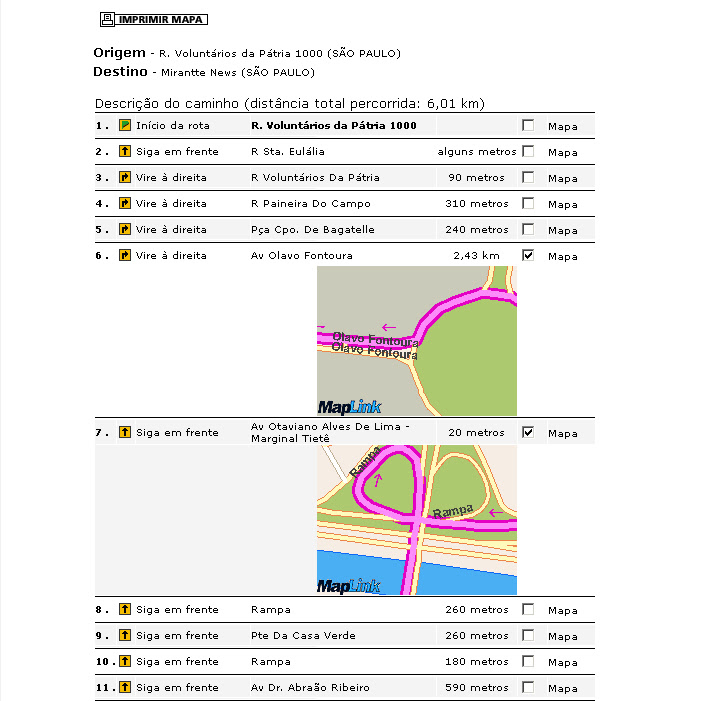
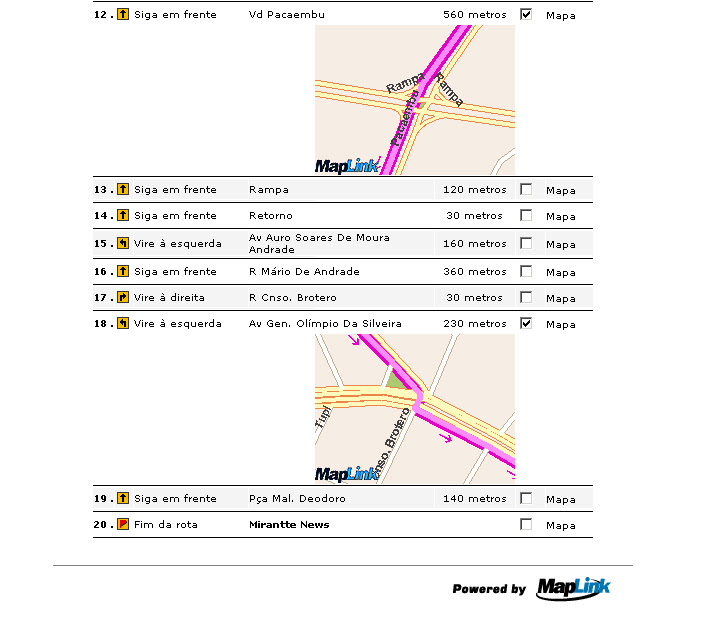
Mirantte News was a products-and-services guide that went beyond a regional search mechanism. Selected companies signed annual plans combining homepage prominence, indexing in one of roughly twenty portal categories and a dedicated hot-site with professional photography, logo, contact information, an article produced by journalist Tatiana Cavalcanti, and geolocation and route-planning features developed through a partnership with MapLink/UOL.
Marcelo Nicchio ran the project in partnership with Luiz Kechichian, owner of Grupo Mirantte. The operation was lean: besides Nicchio, the team came to include a webmaster, a commercial contact and an administrative assistant.
As contracts accumulated, however, a central problem emerged: traffic. The portal's organic volume was not enough to feed all categories evenly and deliver the exposure advertisers expected.
In that context, a MapLink contact arranged a Skype conversation between Nicchio and Tiago Luz, one of the early Search Marketing professionals in Brazil, then based in Curitiba. The solution discussed was straightforward: buy traffic for the categories with the greatest concentration of advertisers and incorporate that cost into the portal's own commercial model.
The first acquisition campaigns worked and remained active for several months. Even so, Mirantte News became progressively difficult to sustain economically. The operation was reduced and moved to a home-office model, leaving Nicchio and webmaster Renato Carriel. Later, the guide shifted its positioning and expanded its scope to the city of São Paulo under the name Procure SP, but eventually ceased operations.
The project ended, but the problem it had presented opened a new professional direction. Search remained.
Professionalization in Search Marketing (2008)
In 2008, Nicchio began managing small Google AdWords accounts intuitively and through self-directed learning, including a traditional restaurant on Marginal Tietê, a yoga studio, a buffet service, a painting atelier and an insurance brokerage. These were small operations, but they allowed him to work directly with campaign structure, keywords, segmentation, costs and return.
That same year, he met Rio de Janeiro-based professional Louise Martins during one of her visits to São Paulo. At a café, Louise opened her laptop and showed him an AdWords operation on a scale Nicchio had not yet encountered: a large account structured simultaneously across different countries. The scale of that operation made a strong impression. Search no longer looked only like a solution learned to address Mirantte's traffic problem; it began to appear as a much larger professional field.
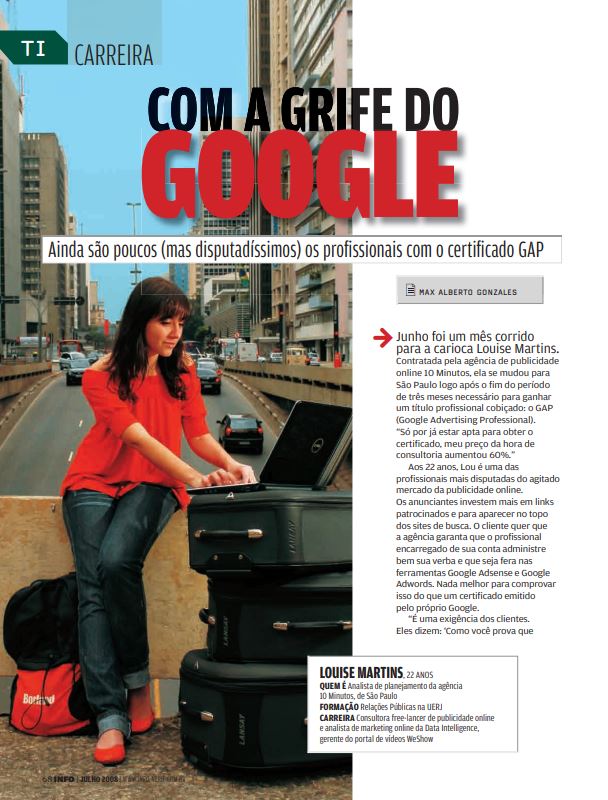
Soon afterward, Louise would be featured in “Com a grife do Google”, an article published by INFO magazine in July 2008 about the then-small and competitive community of Google Advertising Professional — GAP certified professionals. INFO Exame no. 269 · Jul. 2008 ↗
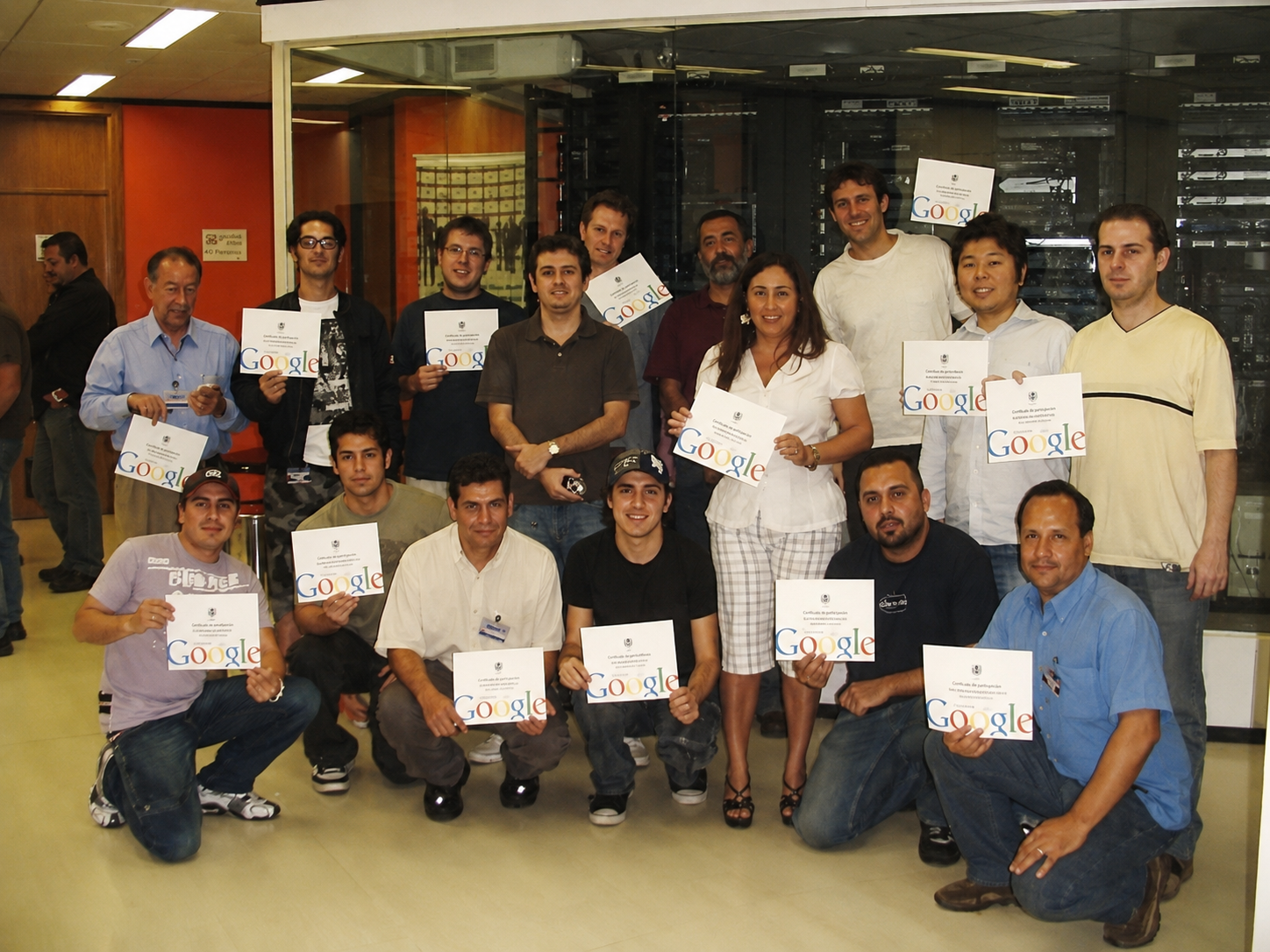
The experience reinforced Nicchio's decision to enter the field professionally. In 2009, he enrolled in one of the first Google AdWords classes at Goobec, founded in 2008 as Google's first official training partner in Latin America. During the immersion course taught by João Dalla, he met another student: Herik Mourão. Goobec history ↗
After the course, he continued managing small accounts while studying Google's technical documentation for advertisers and professionals intensively throughout 2009.
Beleza na Web and CookieWEB: Search at scale
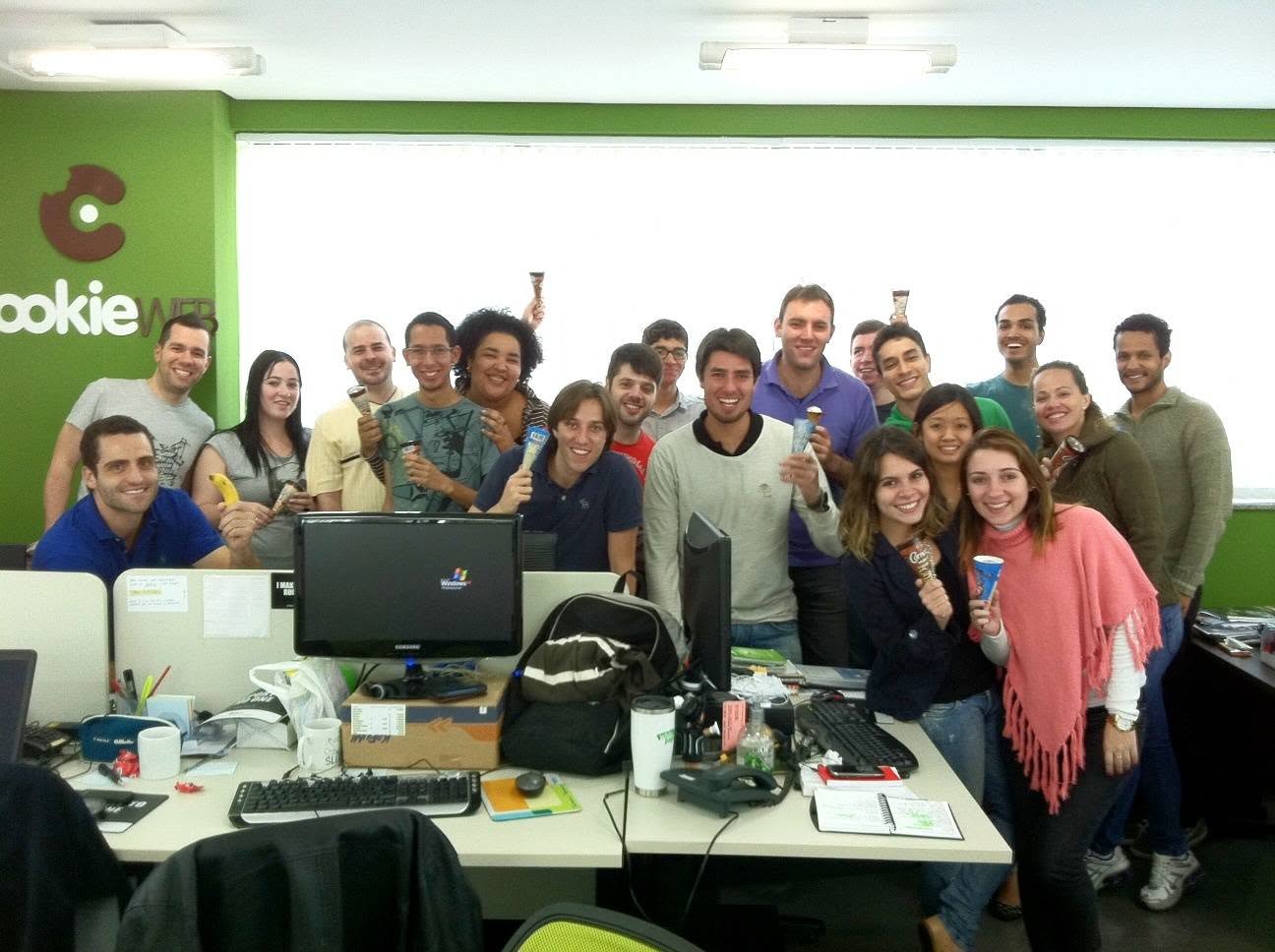
2010 — Herik Mourão and Beleza na Web
In the first half of 2010, Herik Mourão approached Nicchio with a proposal that would once again change the scale of his work: take over the media operation for Beleza na Web.
It was the first large account under his direct responsibility, with a complex structure, high traffic volume and strong ROI pressure. At that point, monthly media investment was approximately US$50,000.
The operation began from Nicchio's home. Herik visited frequently and served as the bridge to Alexandre Serodio, owner of Beleza na Web. Amid spreadsheets, reports and successive campaign rebuilds, Nicchio deepened a layered optimization approach: categories, products, search terms, keyword cleanup and continuous performance assessment.
It was an important shift. Experience that had begun with small accounts now involved a large e-commerce operation in which media decisions had to answer directly to revenue and return.
2010 — building CookieWEB's media operation
Around June 2010, Herik introduced Nicchio to Natan Sztamfater, owner of a small agency in São Paulo's Bom Retiro district: CookieWEB. At the time, the agency had approximately five employees and focused on website creation and email marketing. In parallel, Herik was negotiating his entry into the business to open a new front: Digital Media.
Soon afterward, the operation was formalized. Beleza na Web, PortCasa and two smaller accounts began to be managed from CookieWEB, opening a new area inside the agency and a new professional stage for Nicchio and Herik.
During the first months of this operation, Nicchio decided to obtain the Google Advertising Professional — GAP certifications. At the time, each exam required a US$50 voucher and there was no free retake after a failed attempt. Preparation involved obsessive study of Google's technical documentation. Passing the exams carried both professional and personal weight: it was the formal consolidation of a field he had entered only a few years earlier largely through self-directed learning.
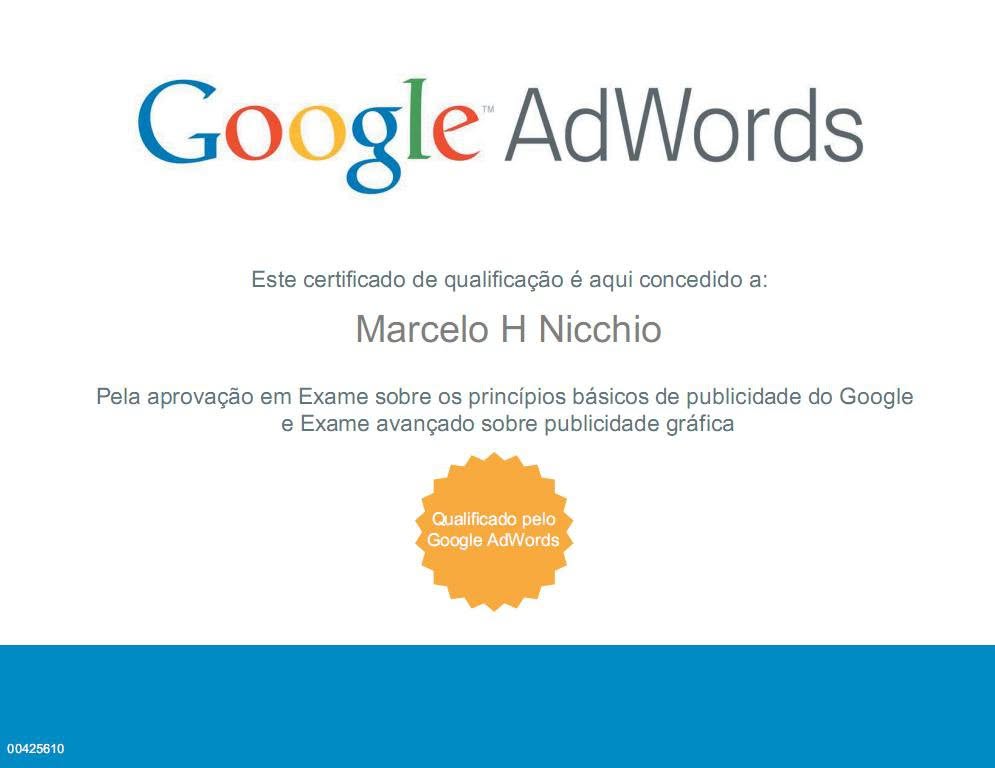 Google GAP · certificate 1/3Open record ↗
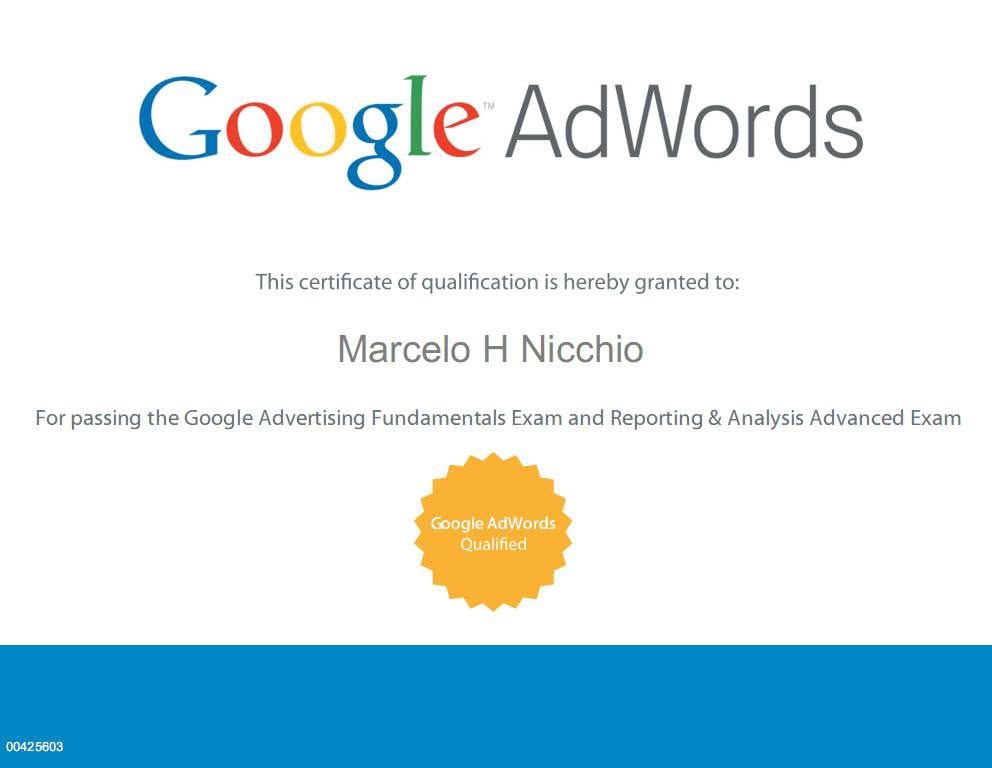 Google GAP · certificate 2/3Open record ↗
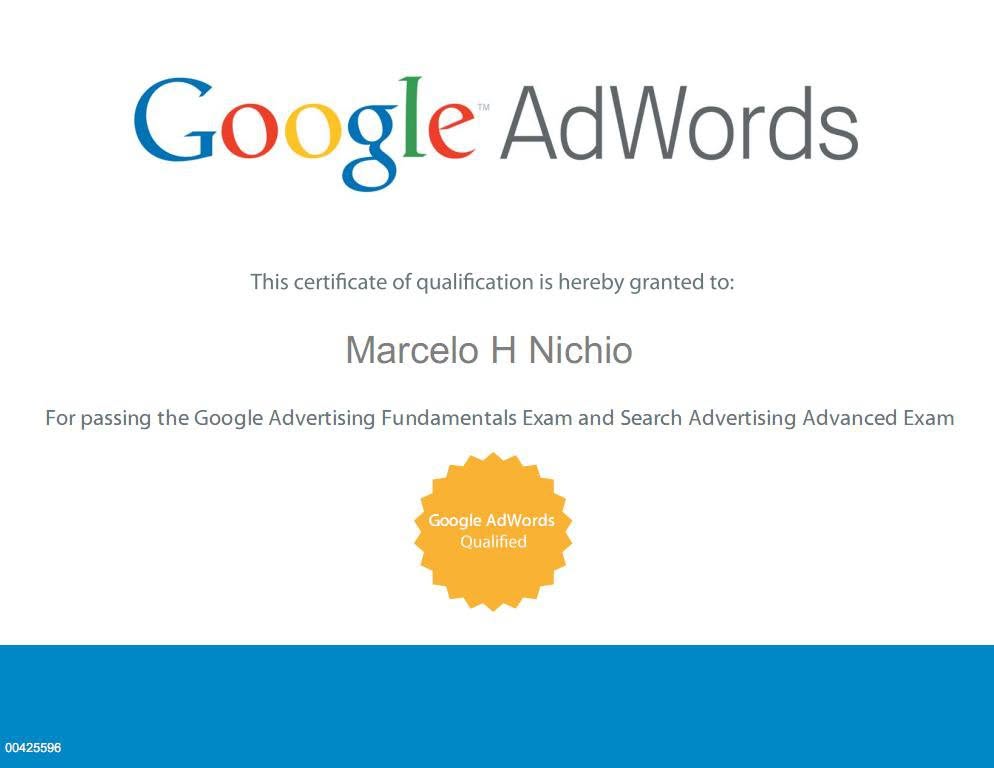 Google GAP · certificate 3/3Open record ↗
2010–2011 — building the team and growing the agency
Operational volume grew quickly. Hiring interns to support account management became necessary. The first was Anderson Ramos, a Business Administration student initially selected by Herik and trained intensively by Nicchio. Anderson became one of the key members of the team and was later hired permanently. More interns and analysts joined as new clients arrived.
At this stage, Herik held the position of SEM Manager, while Nicchio worked as Coordinator, combining coordination, hands-on operation and team training.
In the second month of this new phase, Marcel Werdesheim became a partner in the agency and, together with Natan, participated in new investment and the company's physical expansion. CookieWEB left its small Bom Retiro office and moved to a larger commercial space in Perdizes, prepared for a team of dozens of professionals.
2011–2012 — SEM management, scale and operations
At the new office, the team continued to grow as new accounts were won. Herik and Nicchio took part in client meetings, while Nicchio directly coordinated the media operation with the analysts.
In the first half of 2011, Herik left CookieWEB to take a media role at Beleza na Web. With his departure, Nicchio became SEM Manager, while Anderson Ramos took over operational coordination.
The change significantly expanded Nicchio's responsibilities. In addition to account strategy and supervision, he began conducting periodic client meetings, hiring professionals, monitoring KPIs and organizing the area as a whole. To improve oversight, the team adopted the Canadian platform Acquisio, used to monitor indicators and optimizations across different accounts, and Asana, used to structure recurring campaign creation, management and optimization processes.
By the end of 2011, CookieWEB was managing more than 22 accounts simultaneously, by a conservative estimate. They included Marcyn, Aramis, Shoulder, Star Point, CNS, Norah and other mid-sized brands. The media area grew to six analysts plus interns, while the agency as a whole reached roughly thirty professionals. A contemporary article about CookieWEB's expansion lists several of these same clients in the agency's portfolio. Alshop · Jul. 18, 2012 ↗
The variety of accounts also broadened Nicchio's experience enormously. The team served businesses with radically different products, margins, purchasing cycles and audiences — from sex shops to wheelchair manufacturers. In practice, the work showed that efficient media did not depend only on the campaign: operations, product, pricing, logistics, conversion and business capability shaped results just as strongly.
Living with dozens of business models deepened a view of performance that was no longer limited to keywords or ads.
People, culture and belonging
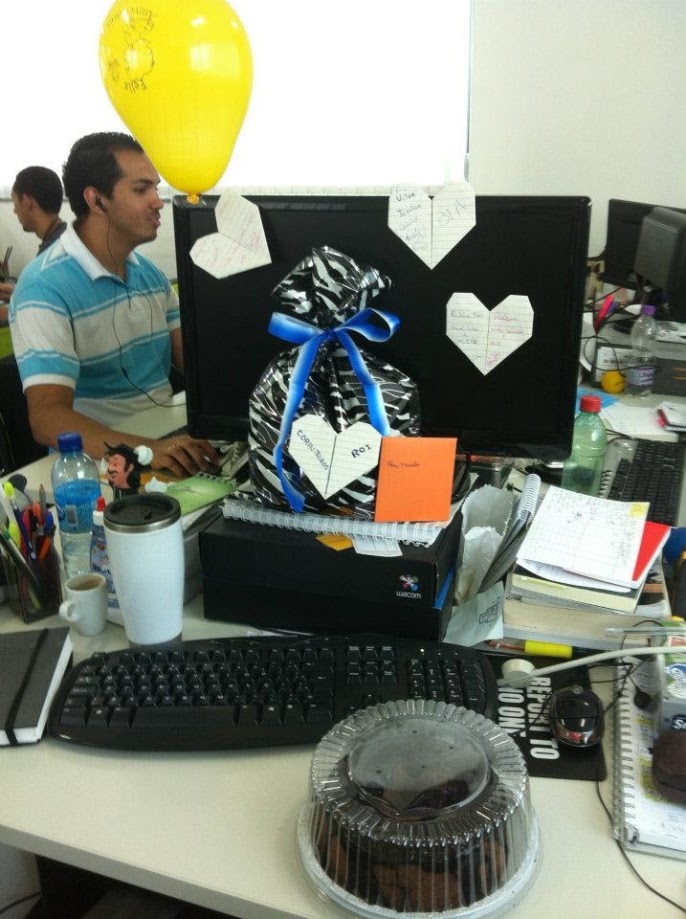
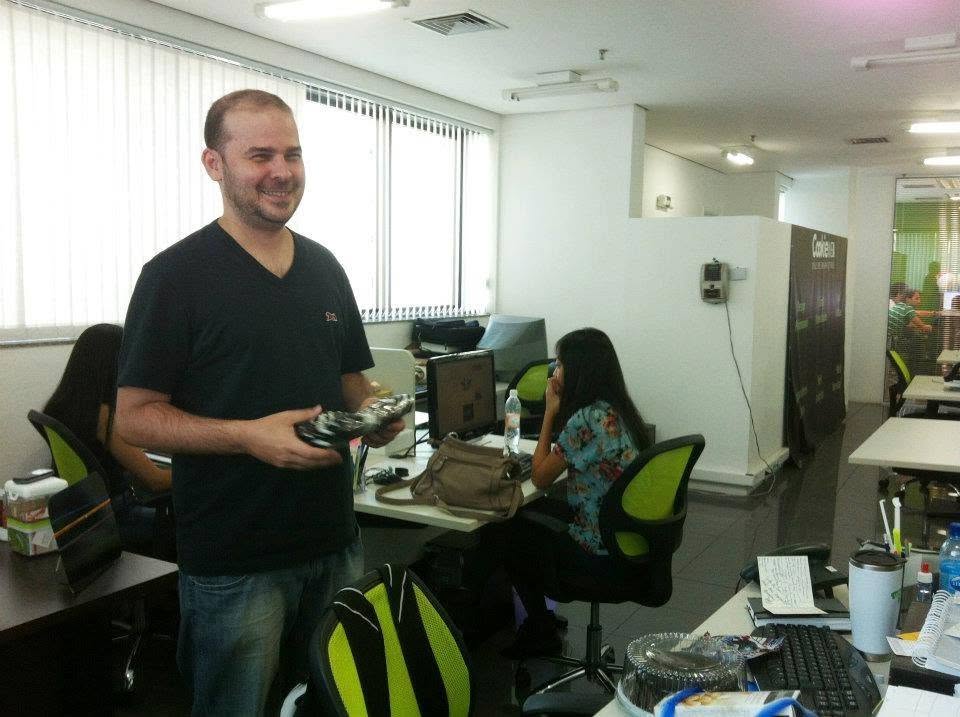
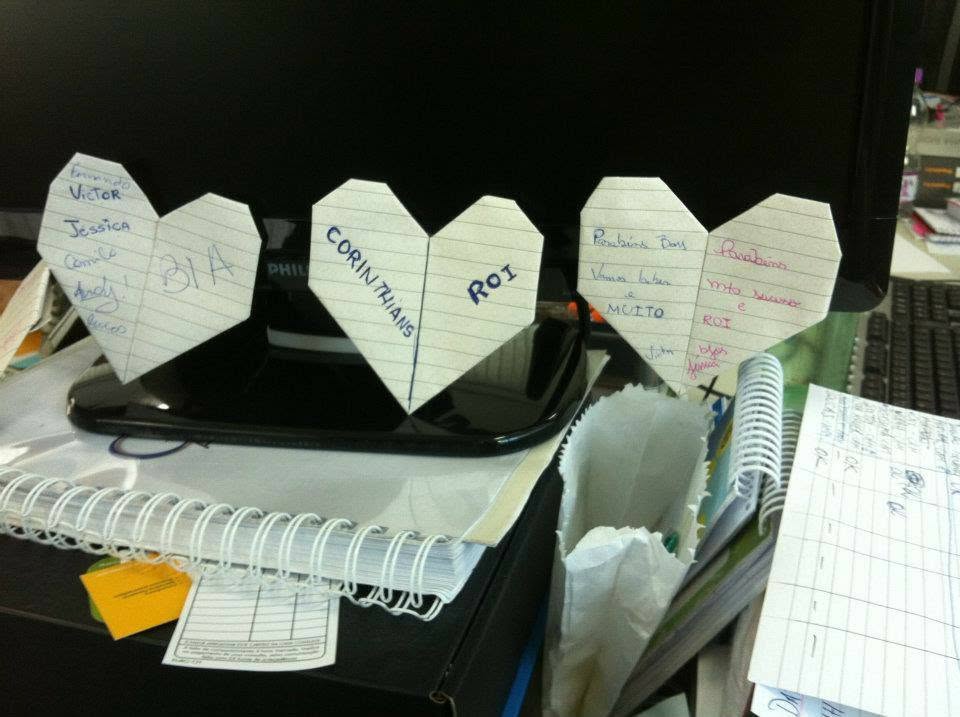
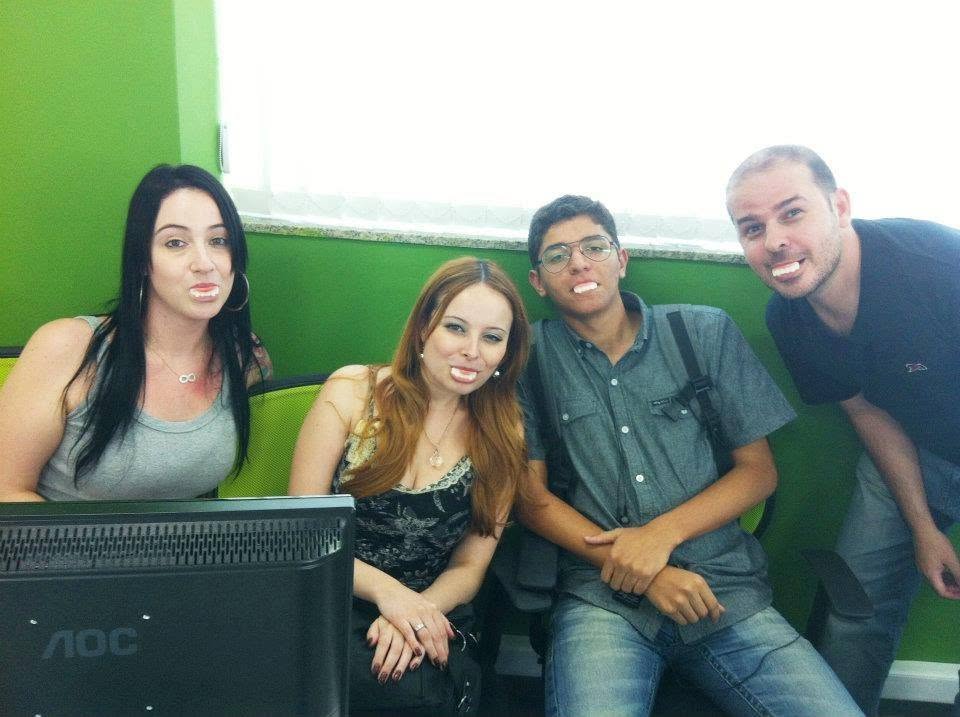
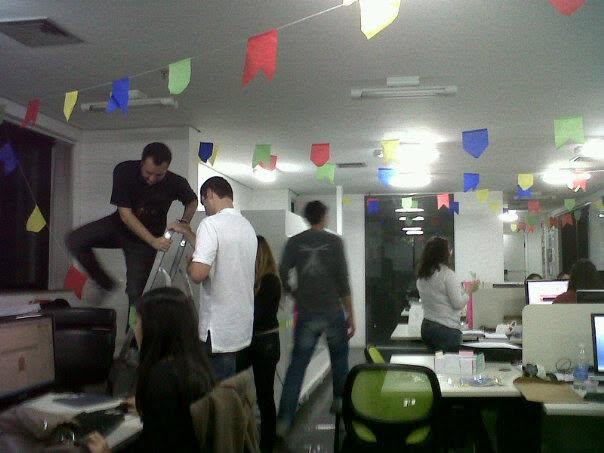
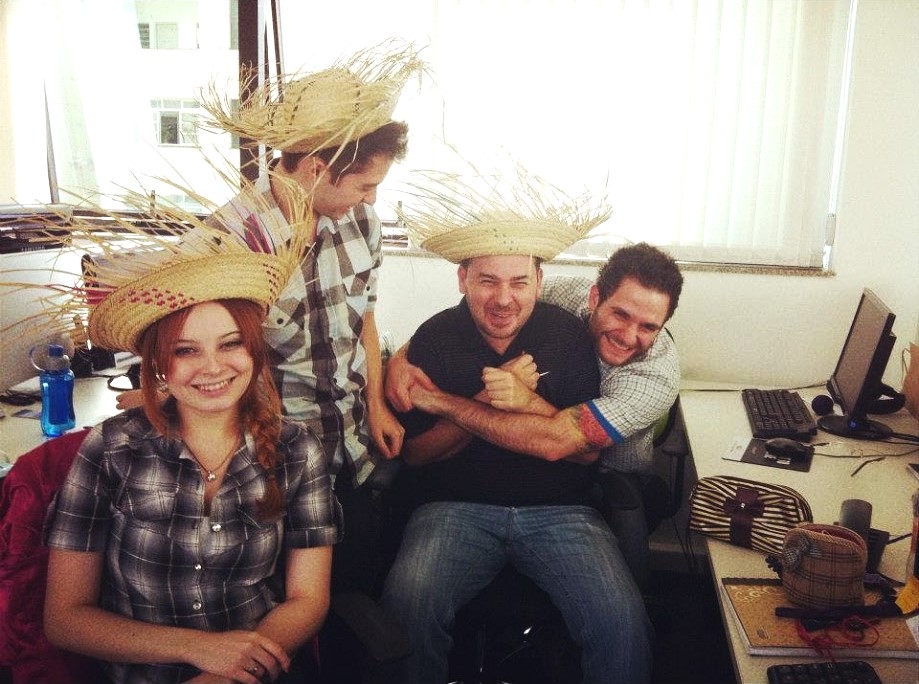
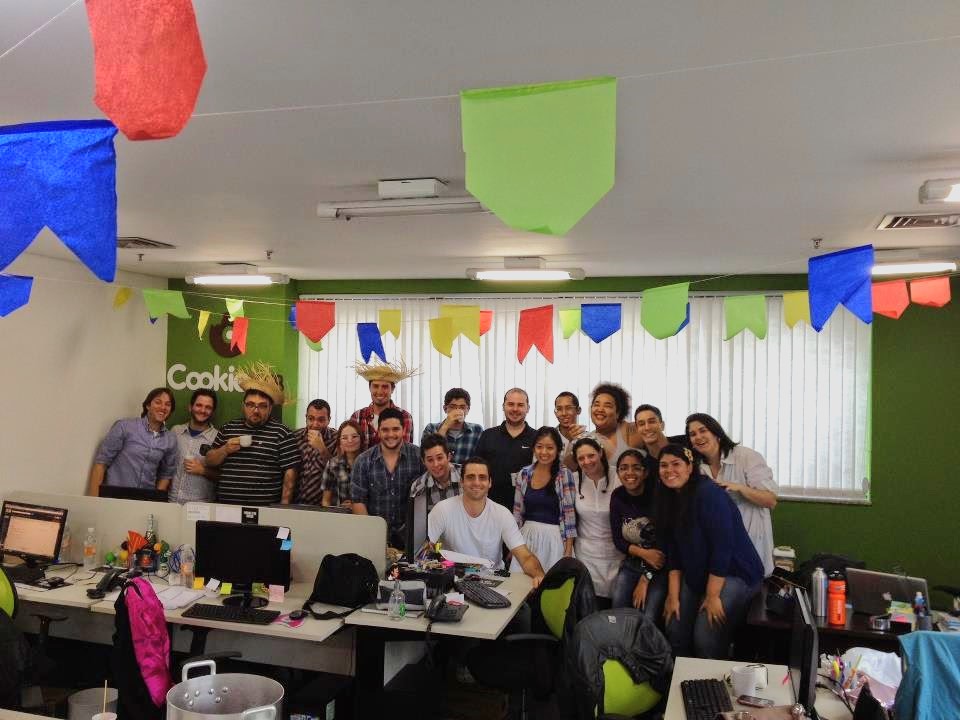
As the team grew, Nicchio also began focusing on a less quantitative dimension of the operation: belonging. Internal events such as the agency's June festival created moments of shared life outside the daily pressure of the accounts.
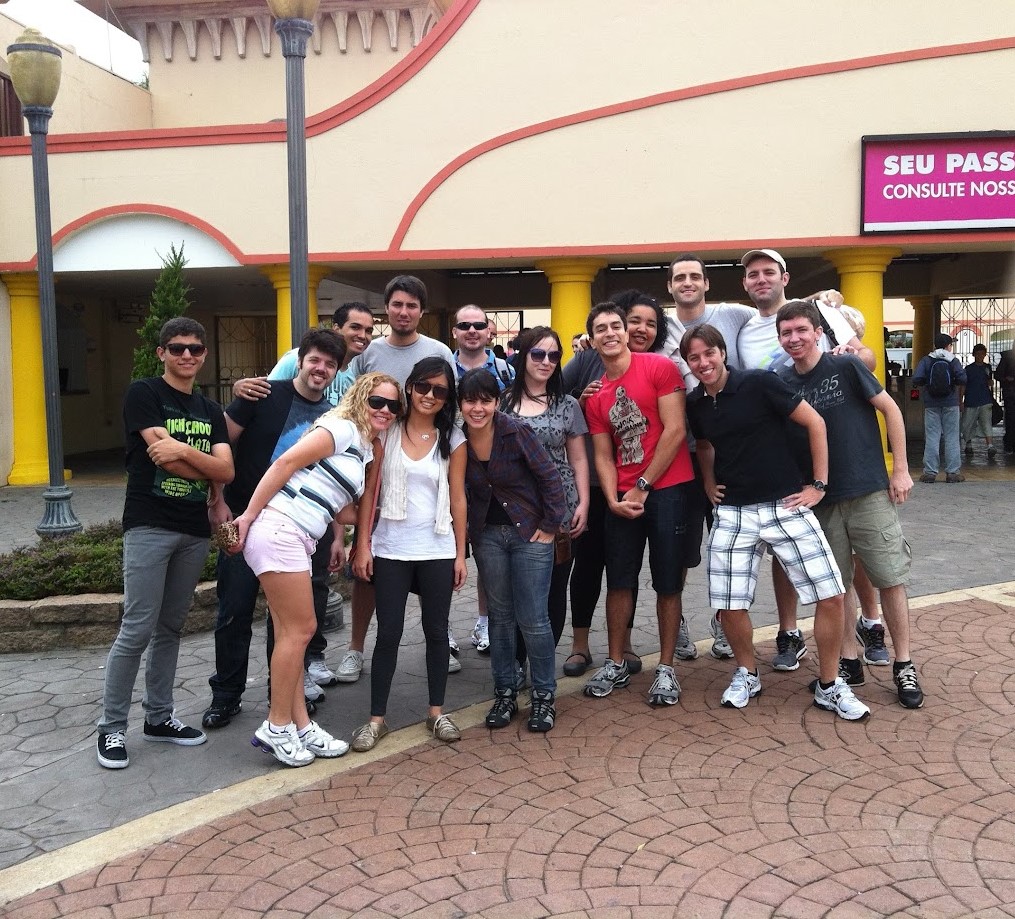
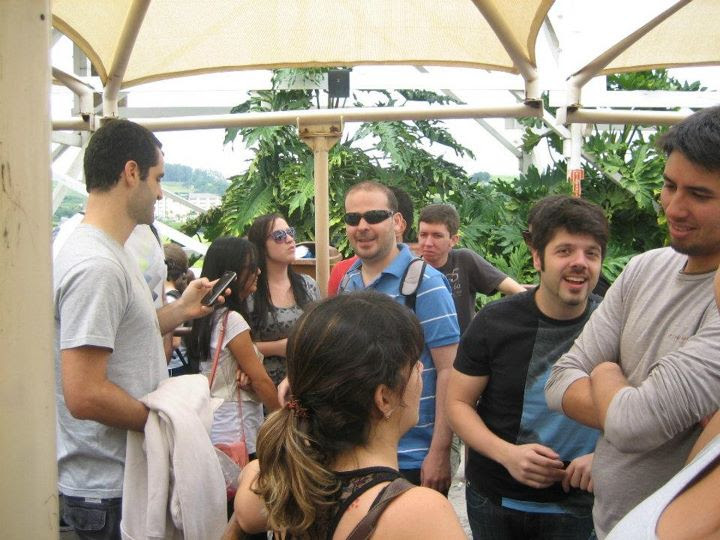
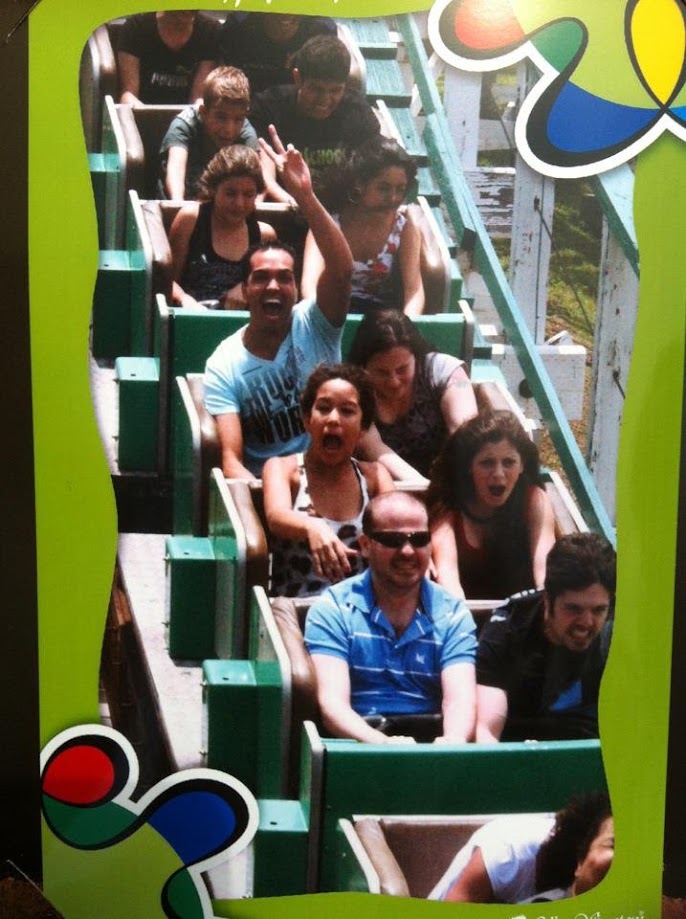
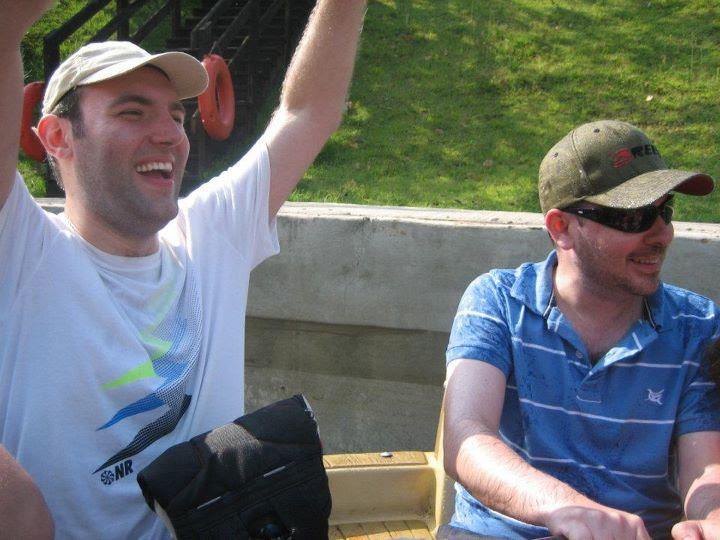
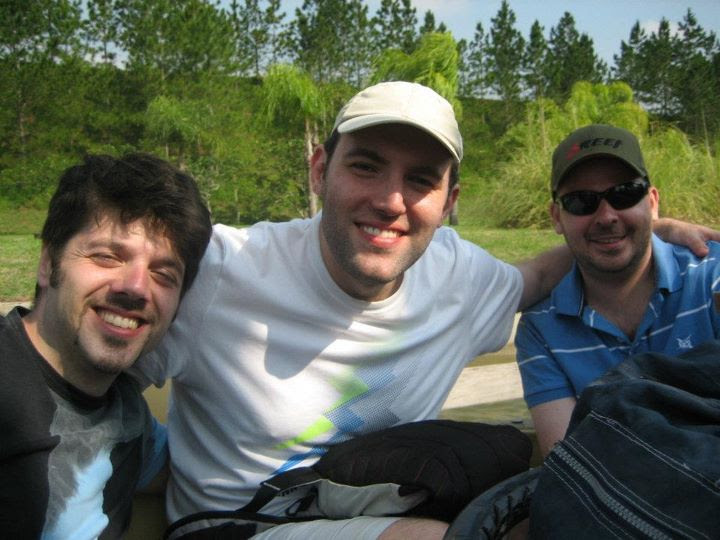
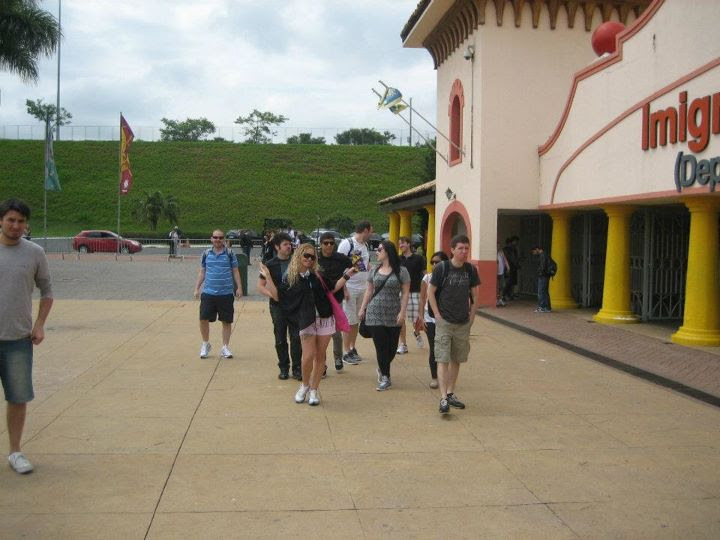
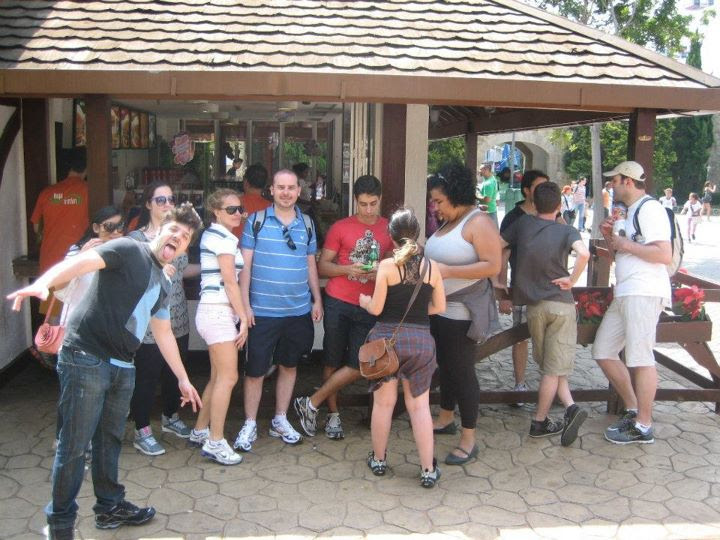
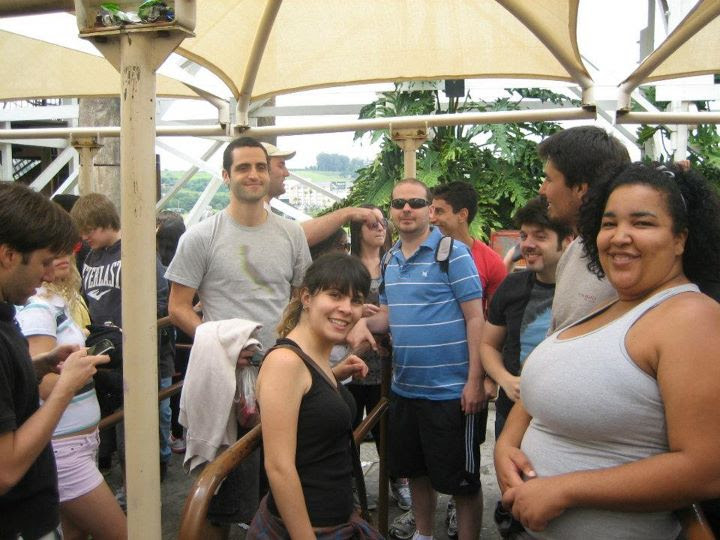
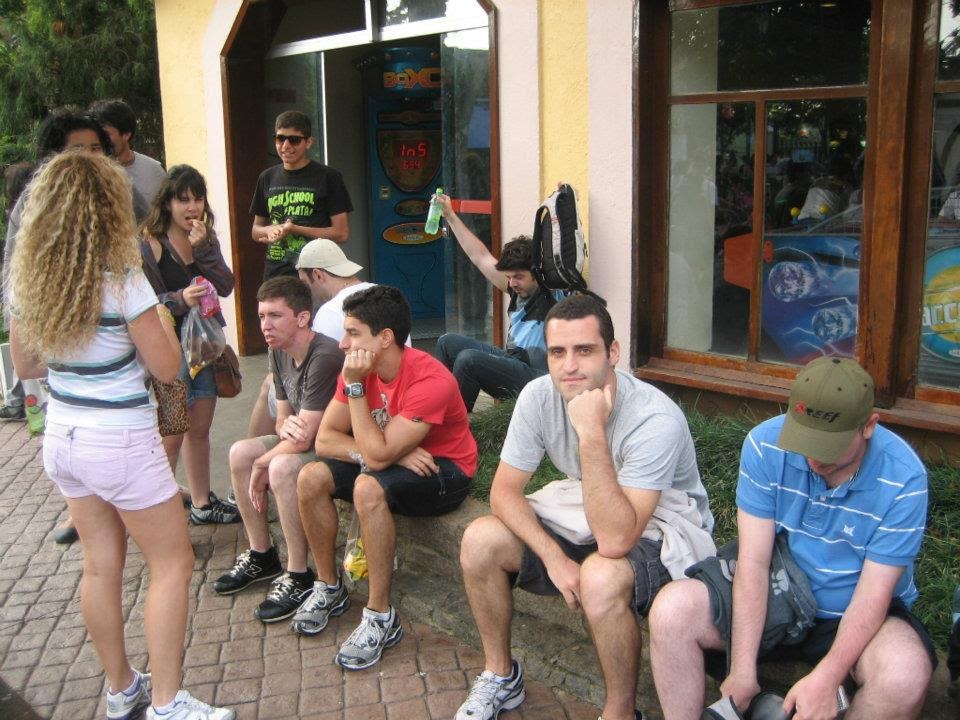
At the end of 2011, inspired by practices he observed at younger agencies in the market, he proposed something then unusual in CookieWEB's culture: close the agency for a day and take the entire team to Hopi Hari. The proposal initially met resistance. For Nicchio, however, the reasoning was simple: an operation that demanded so much from people also needed to create positive experiences for those sustaining it.
The agency closed that day. Some close clients complained; employees and partners went to the park together. In Nicchio's memory, it was an especially happy day — and a small change in the culture of a company that had grown very quickly.
2012 — closing the CookieWEB cycle
In 2012, the structure built during the previous year continued operating at large scale. Beyond the constant pressure of the accounts, there was the challenge of developing and retaining a very young team. Nicchio was 35 at the time; many analysts were between 22 and 25.
Among the professionals who took on greater responsibility were Anderson Ramos and Camila Jordão. Nicchio saw complementary strengths in them: Anderson had strong technical command, while Camila stood out for leadership. Before taking a vacation that year, he left the continuity of the operation especially supported by the two of them.
On July 18, 2012, Natan Sztamfater and Marcel Werdesheim announced the acquisition of a stake in ProfitE, then located in Vila Olímpia. The deal, publicly reported that same day at R$3.2 million, would also move CookieWEB's physical operation to that area. Contemporary acquisition report ↗
For Nicchio, the move would add more than an hour to his daily commute at a time when the intensity of the operation had already significantly affected his quality of life. After a little over two years of accelerated growth, he decided to end his cycle at the agency.
Natan and Marcel spent several weeks trying to convince him to stay. Nicchio, however, was not leaving CookieWEB to take another position. The decision was to interrupt the pace, travel, breathe and consider new opportunities later.
He left the company on good terms, making clear that quality of life had become a non-negotiable limit.
Clickland Digital Agency
In August 2012, Nicchio founded Clickland Digital Ltda. with Carlos Portela, focused on Search and media for small and medium-sized businesses. The agency ran alongside other professional roles and presented itself as a “Premium Search Agency”, emphasizing Search, ROI, metrics, multichannel work and Web Analytics.
Regular commercial activity later decreased, while the company remains active as an operating and backup structure. Clickland is part of the continuity of the trajectory without representing Nicchio's primary professional activity today.
Petlove: media internalization (at scale)
At Petlove, Nicchio was hired to internalize the digital media operation. He built the structure, team and processes and expanded operational scale from roughly 150,000 to 3 million keywords across three accounts.
The role centered on building an internal media operation and expanding performance scale.
BEST / Kenshoo: Search + Social + technology
In 2014, Nicchio worked as a Performance Manager at BEST, in an operation connected to the Kenshoo platform in Brazil. His work involved platform onboarding and media-campaign optimization for major retailers.
In practice, this period brought together two fronts that operate side by side in performance work: technology adoption and day-to-day campaign management. Kenshoo onboarding was part of the same routine in which Search and Social were monitored and optimized for large accounts, placing platform, media and performance within a single operating flow.
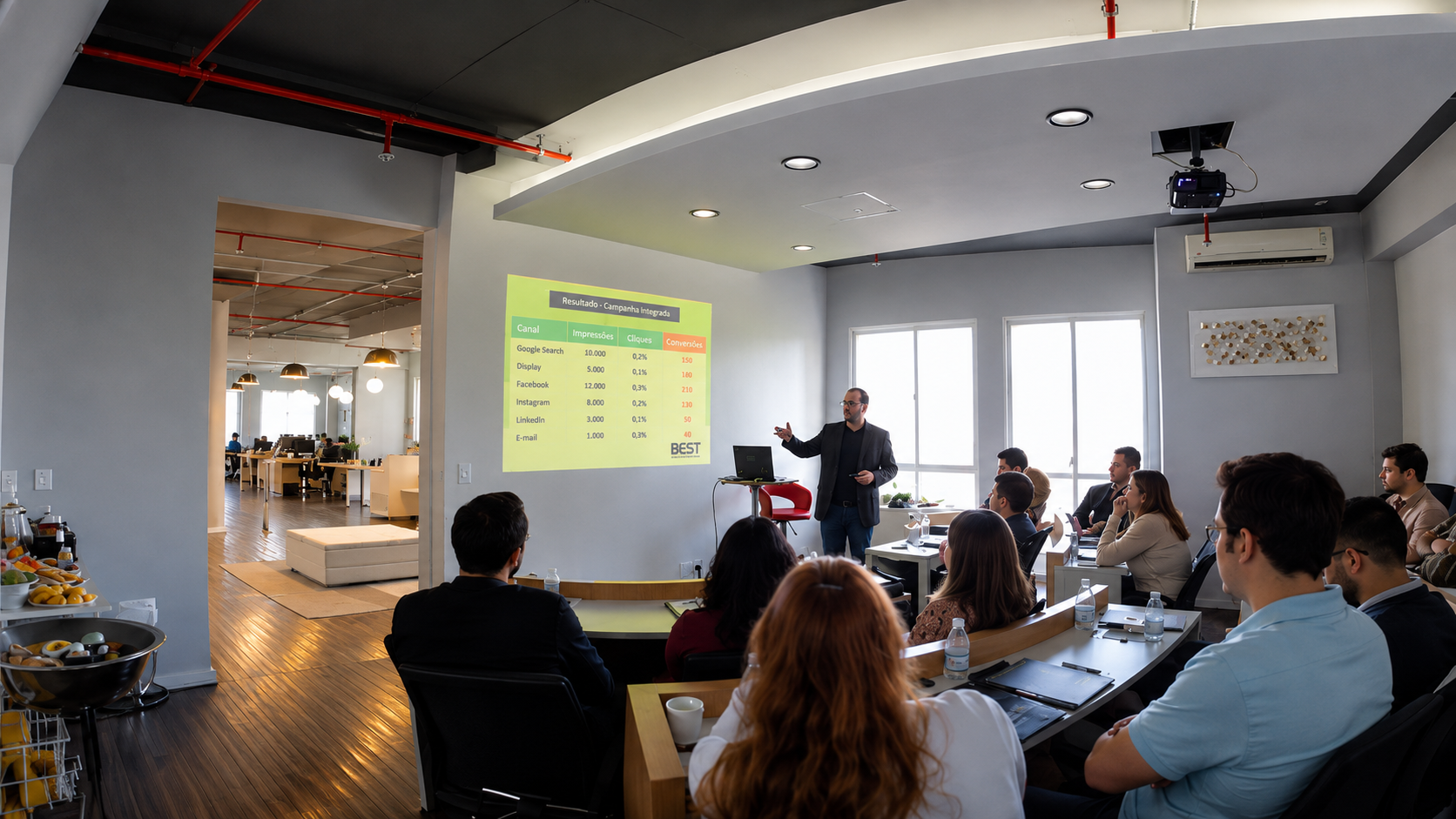
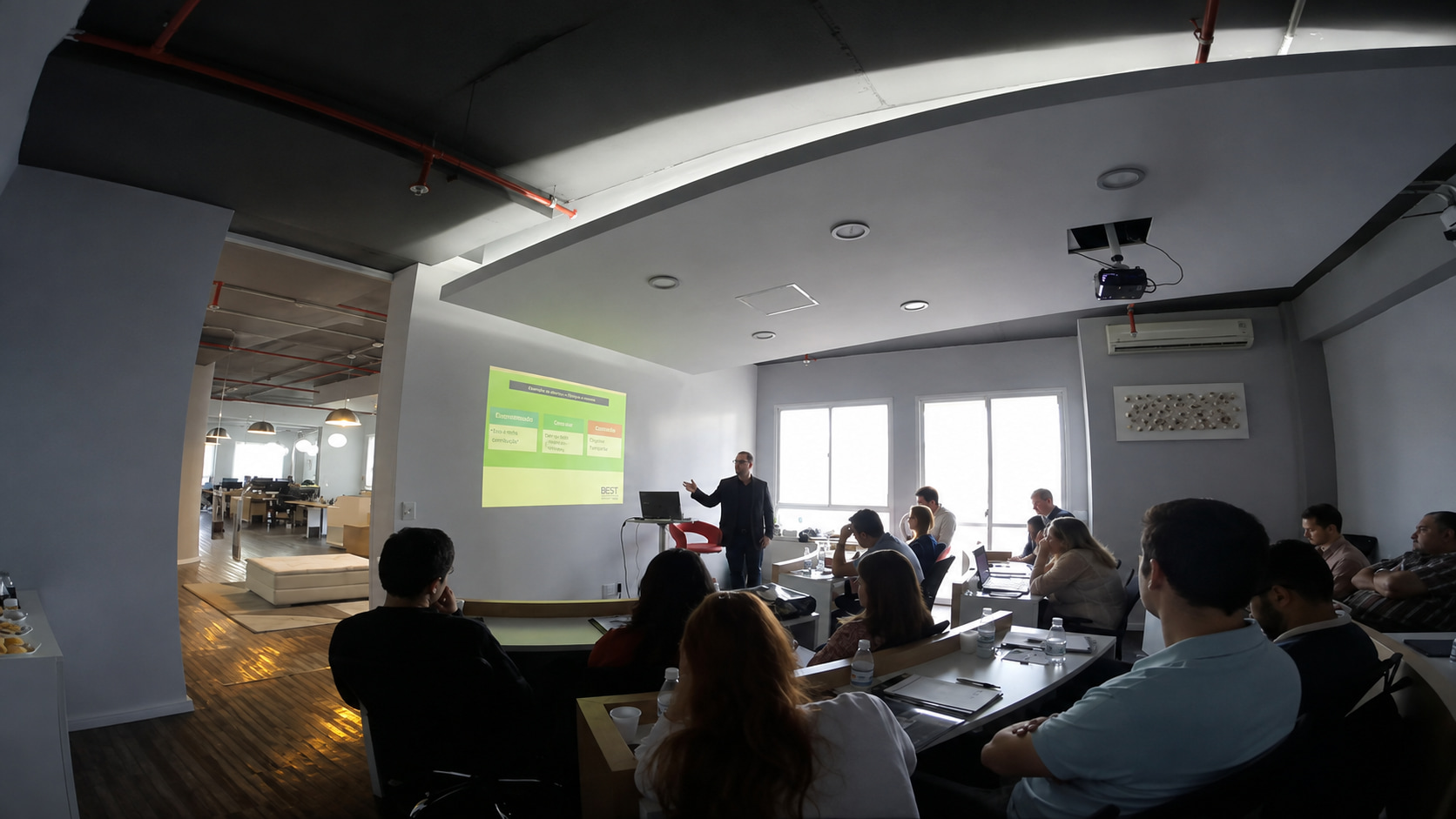
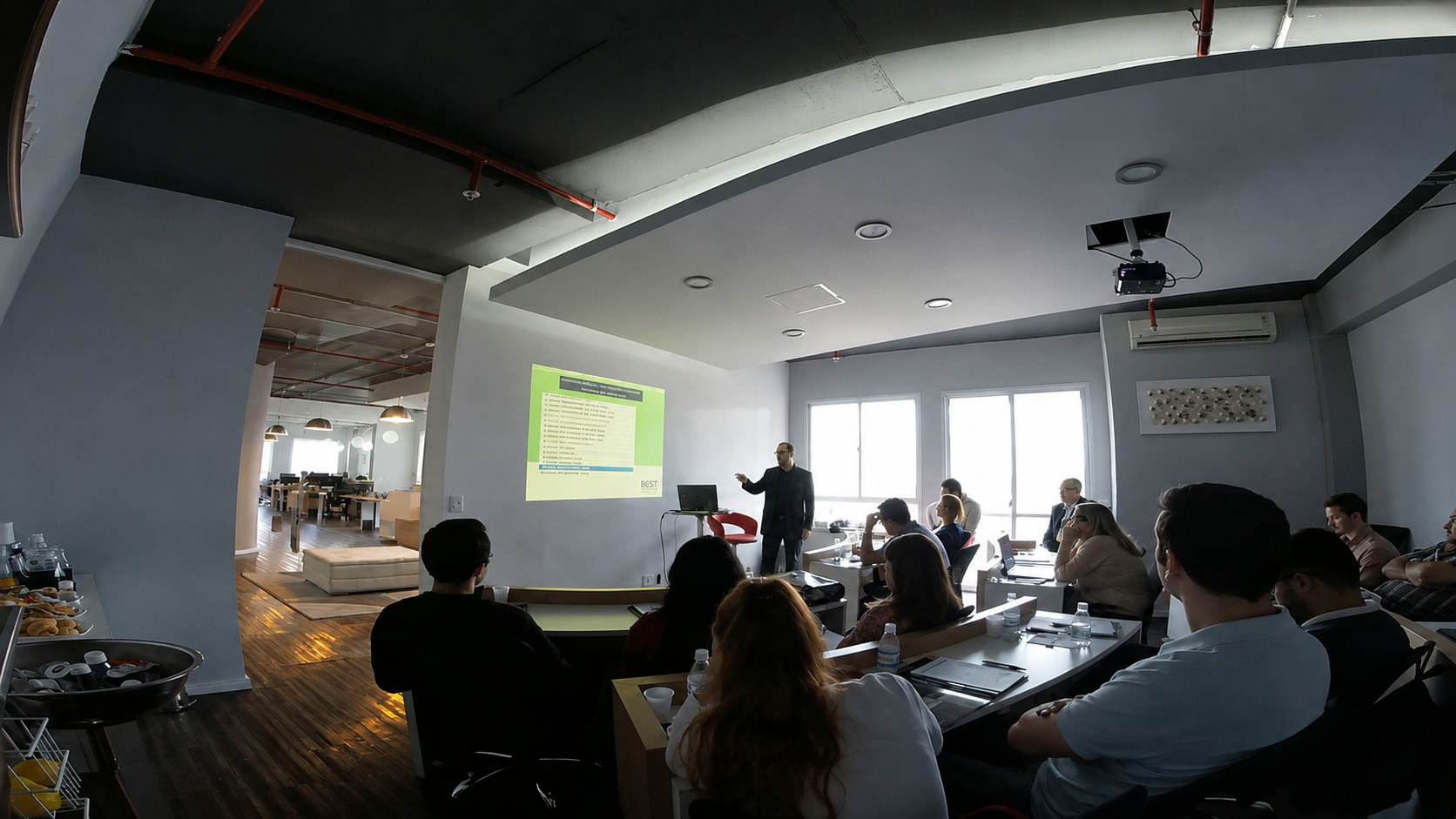
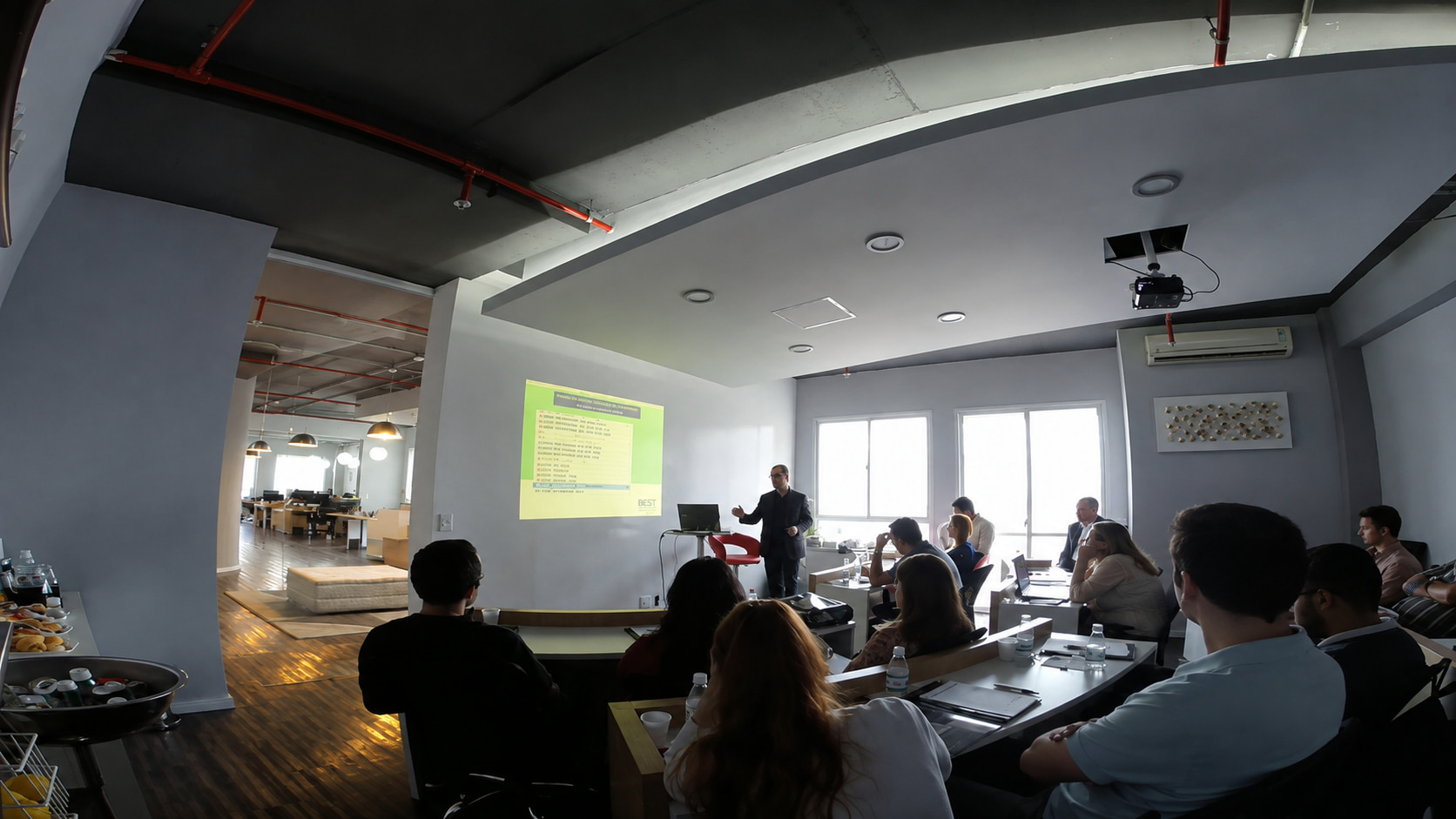
On November 11, 2014, from 9 a.m. to noon, he taught the E-Commerce Brasil workshop “Segmentação em Google Adwords e Facebook Ads - Melhores Práticas, Melhor ROI”. The surviving recording is divided into four parts and directly documents the professional repertoire of that period in segmentation, Search, technology and media operations.
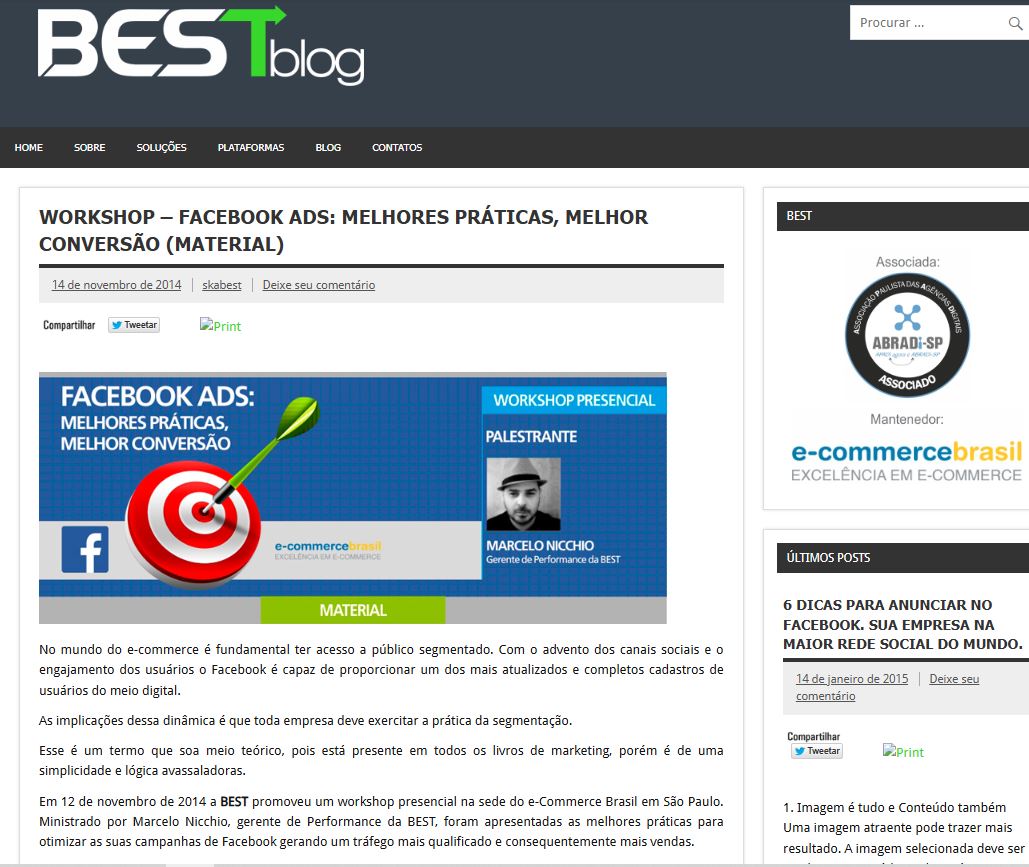
The following day, November 12, 2014, also from 9 a.m. to noon, Nicchio taught a second E-Commerce Brasil workshop, “Facebook Ads: Melhores Práticas, Melhor Conversão”. A contemporaneous BEST Blog post recovered from the Web Archive, published on November 14, 2014, records the event and identifies him as BEST Performance Manager. The surviving original presentation covers campaign objectives, metrics, segmentation, Custom Audiences, Lookalike Audiences, Website Custom Audiences and conversion pixels.
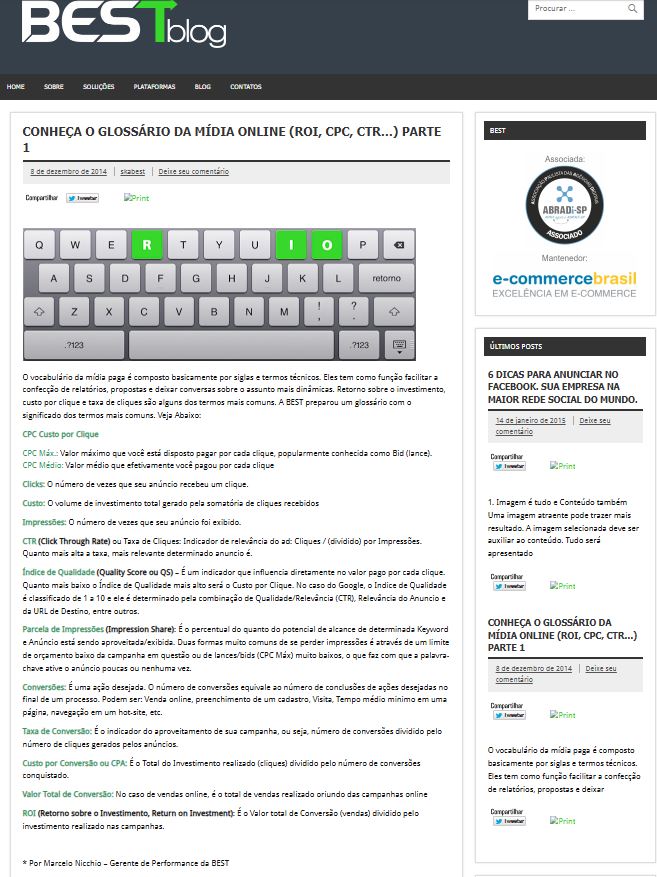
The BEST Blog archive also preserves “Online Media Glossary (ROI, CPC, CTR...) Part 1”, published on December 8, 2014 and attributed to Marcelo Nicchio. This adds a technical/editorial layer to the period, documenting content on metrics, conversion and online-media concepts.
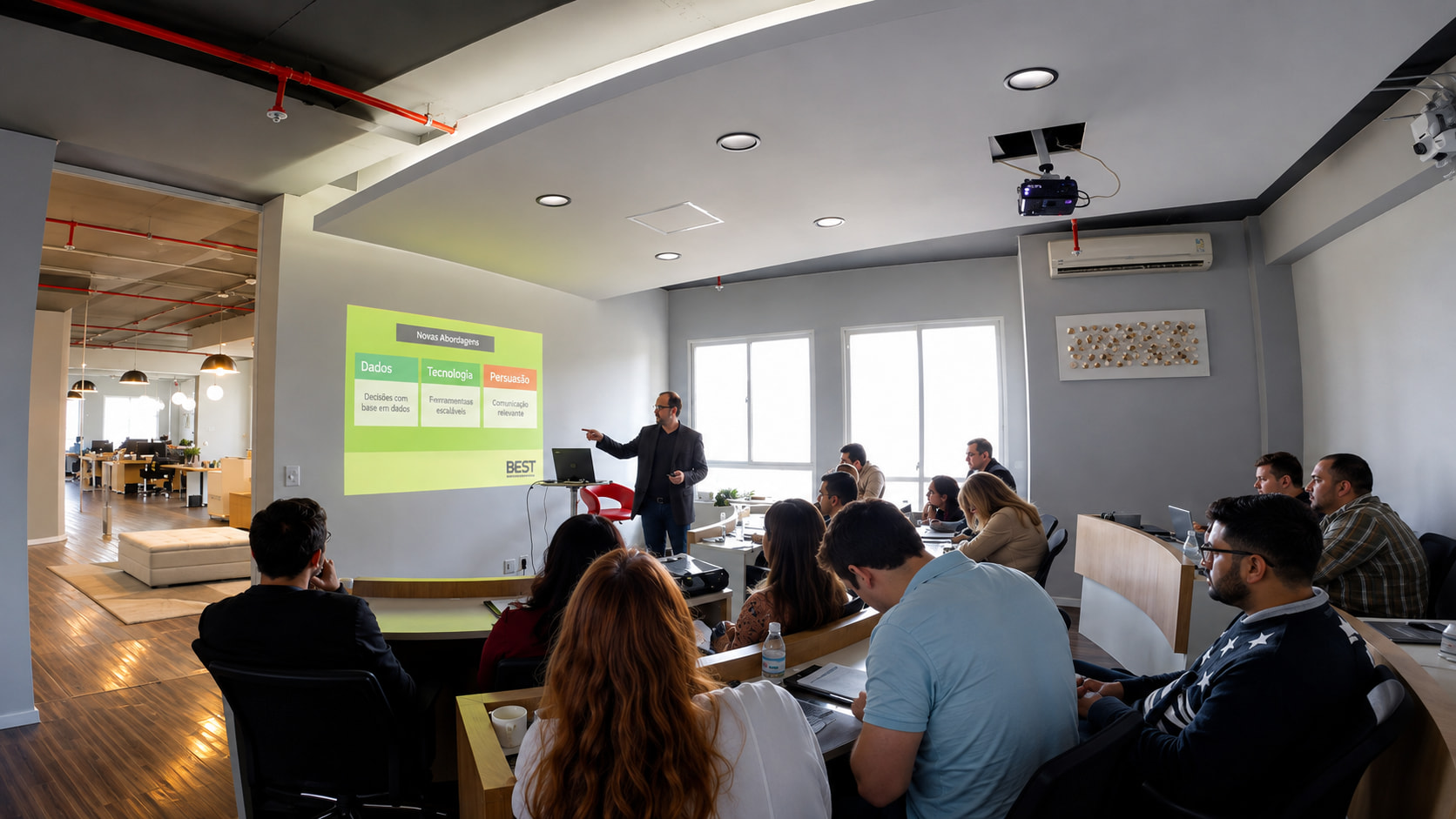
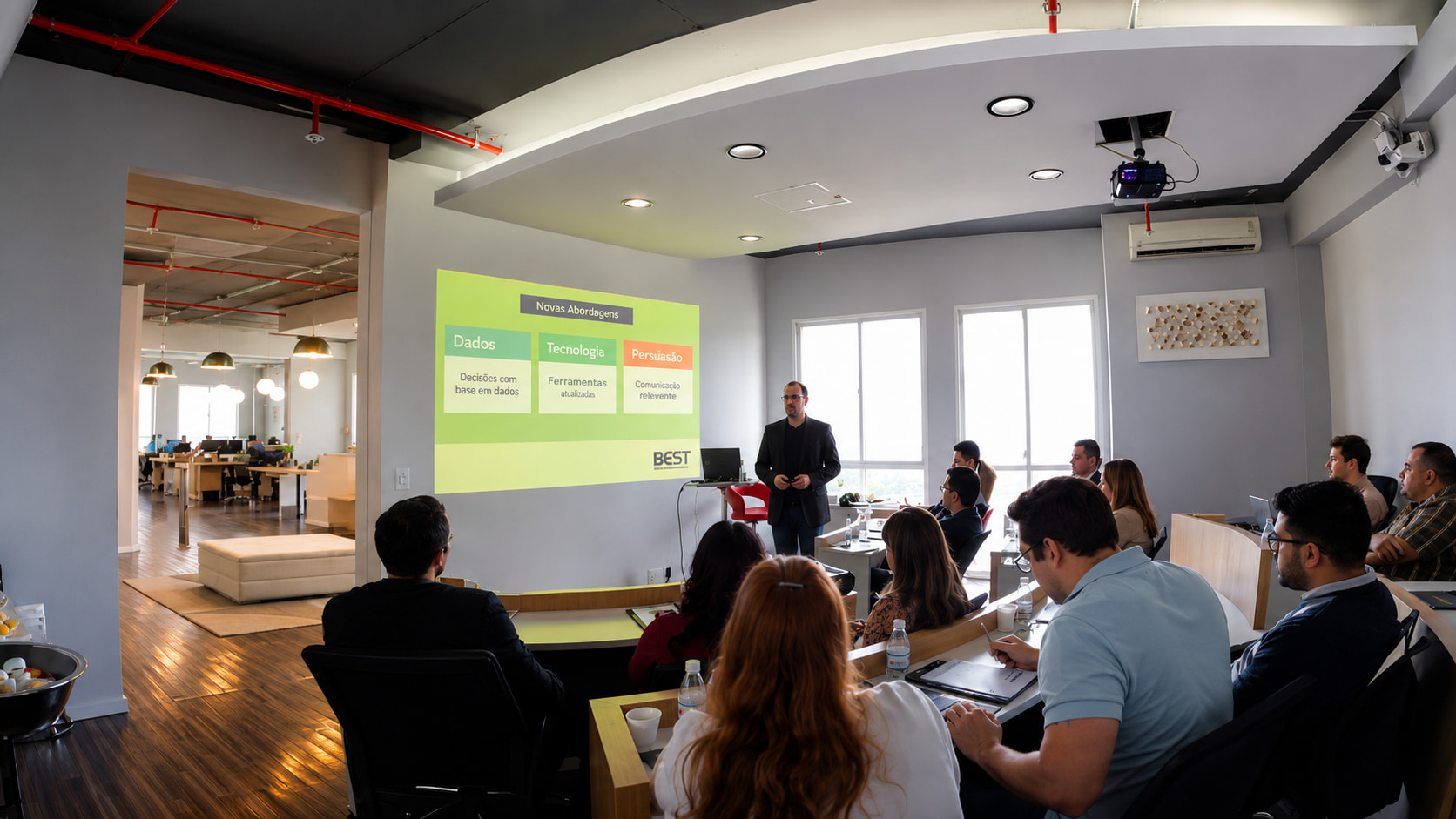
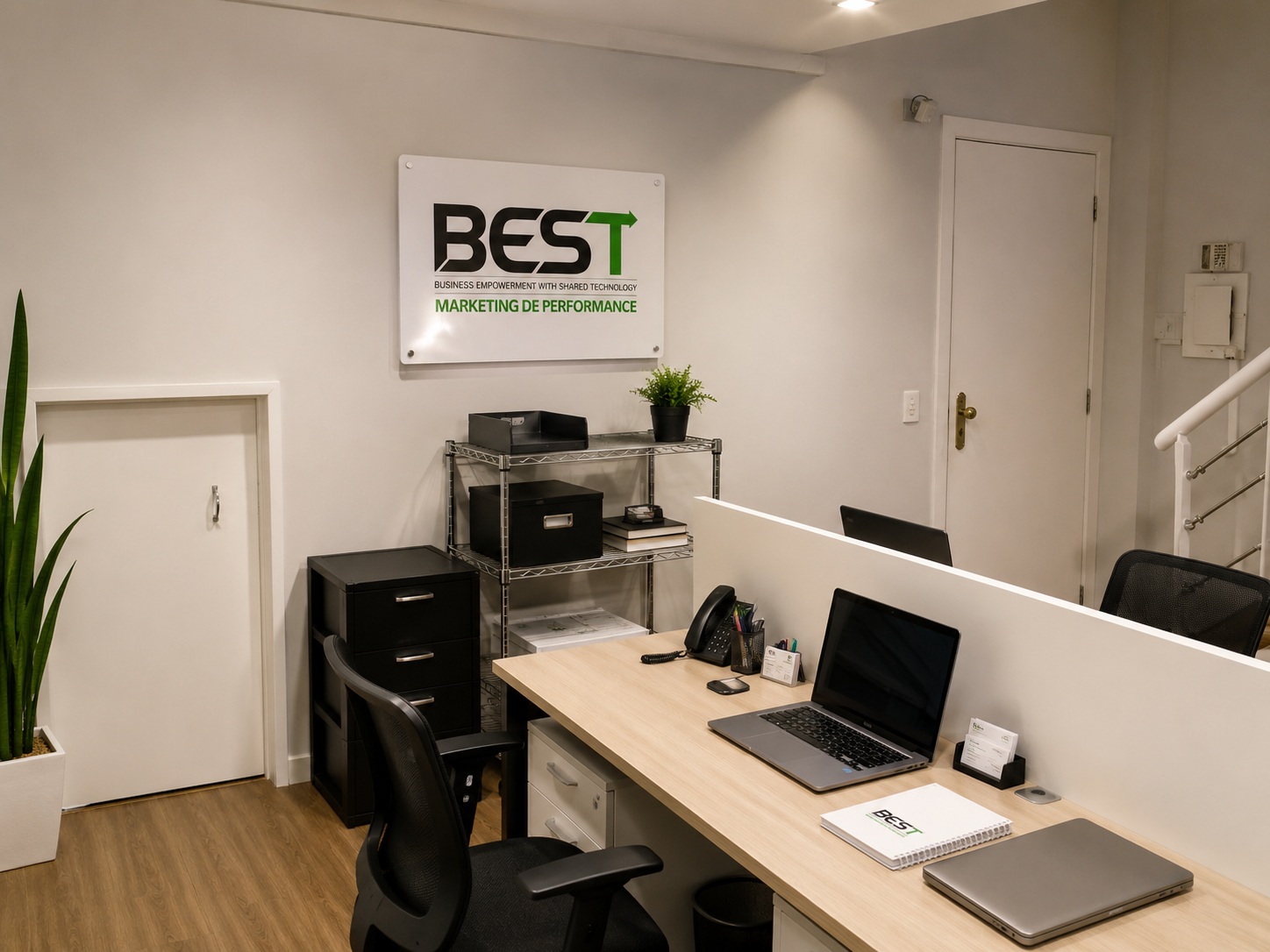
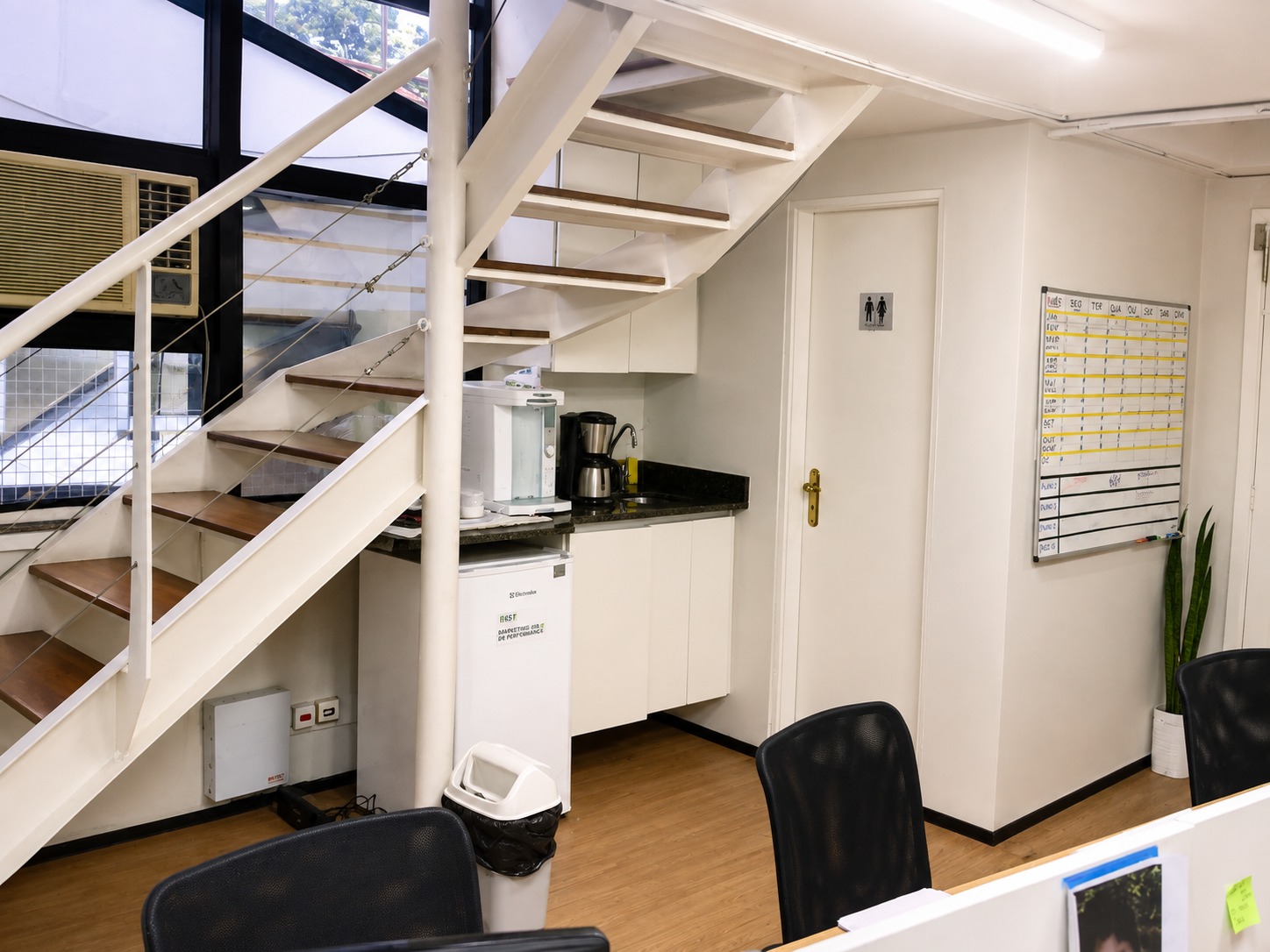
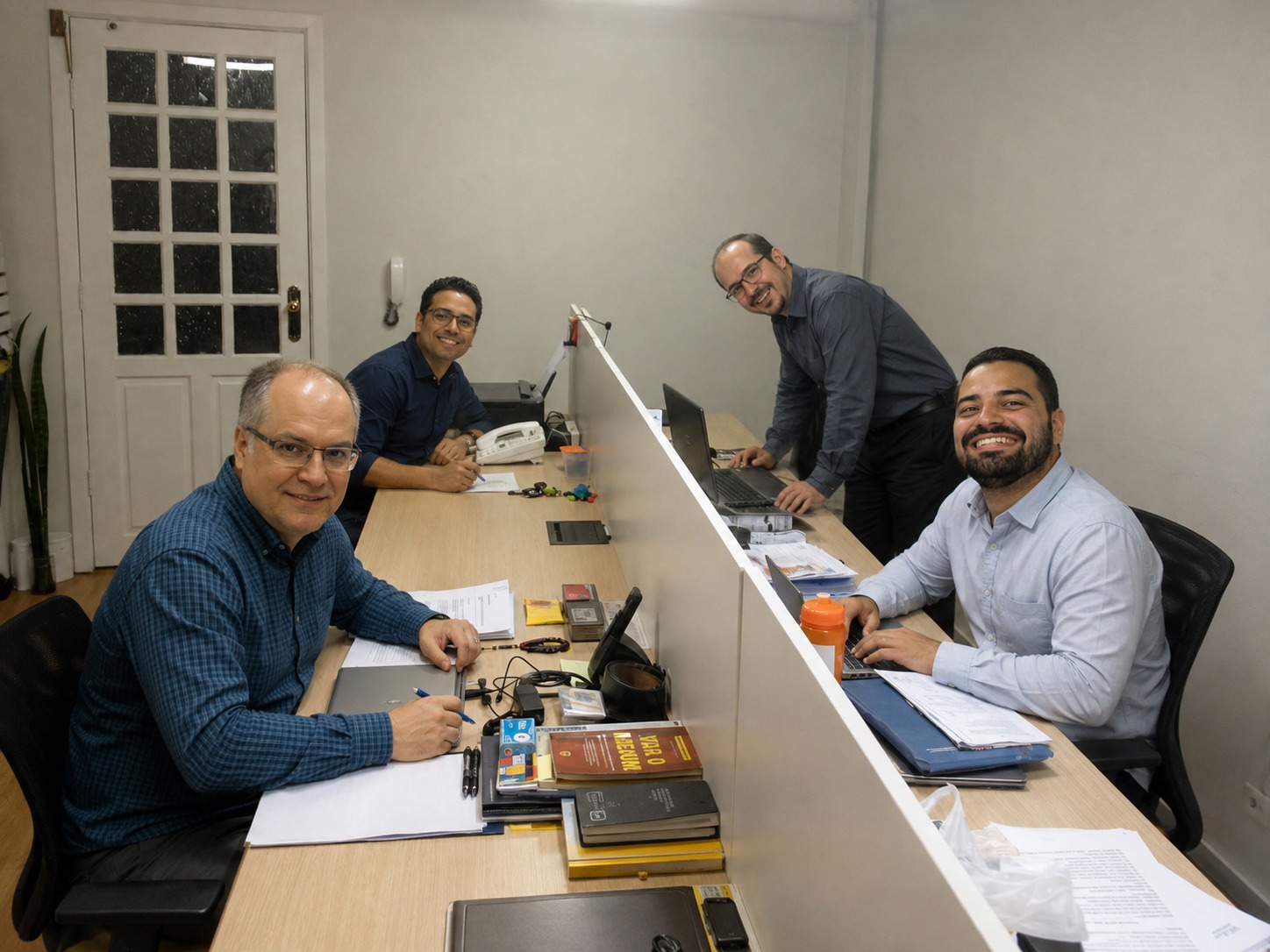
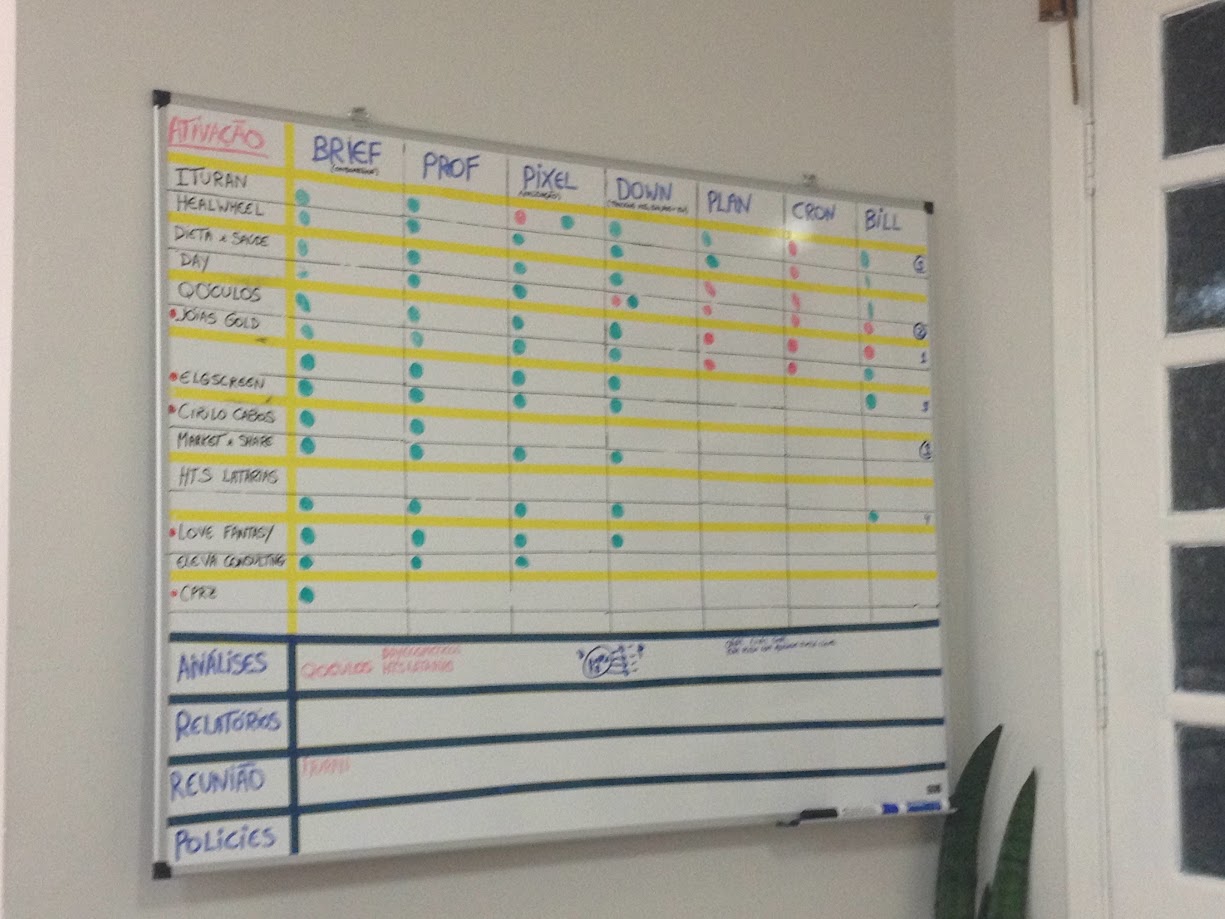
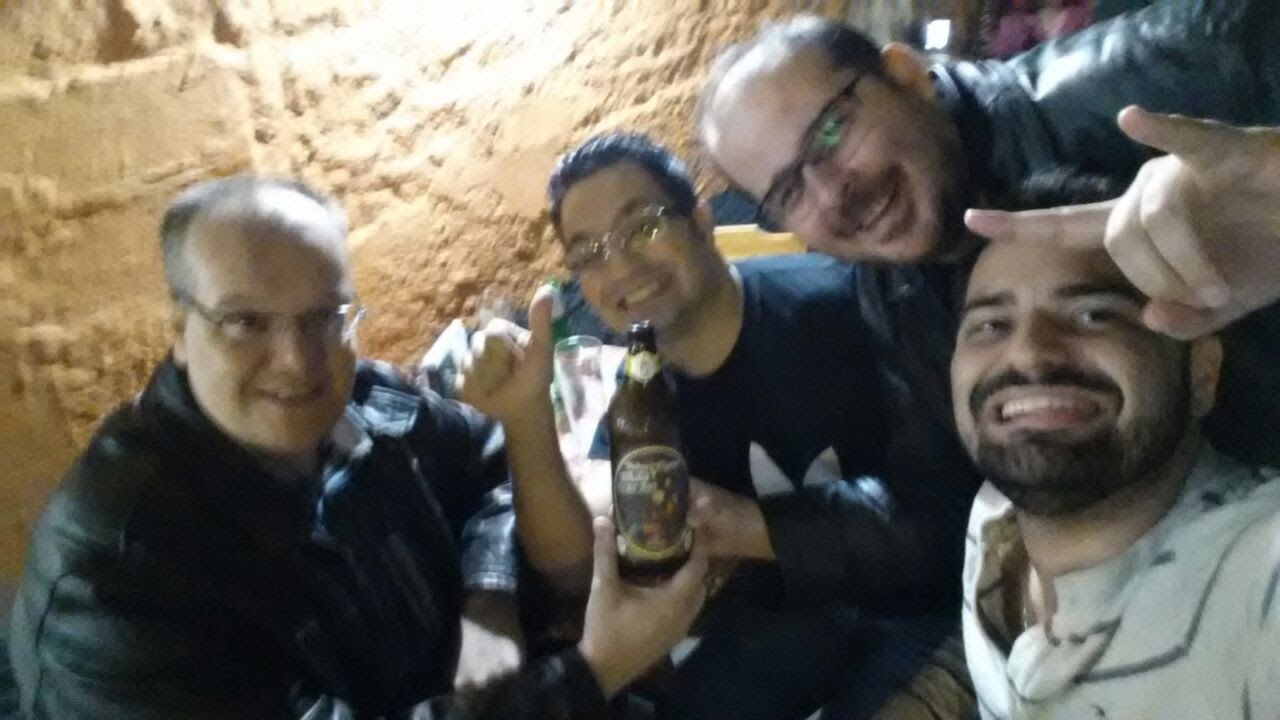
Beyond the videos, the visual archive now contains 13 records from the period, including workshop photographs, a business card, office images and the two BEST Blog posts recovered through the Web Archive. Together they provide visual context for a short but representative stage in the Performance trajectory.



Ad.Dialetto / Máquina de Vendas
At Ad.Dialetto, Nicchio took responsibility for the Máquina de Vendas / Ricardo Eletro account. The assignment involved rebuilding a team and working with a monthly media budget of roughly R$1 million, managed through ROI by product category.
Independent operations
Between 2016 and 2020, Nicchio worked on digital-media and performance projects across different companies and sectors. This period maintained operational continuity outside a single agency structure.
Driven.cx
In 2023, Nicchio returned to a full-time remote agency operation at Driven.cx, where he remained through 2024. For now, this is the last chronological entry in the main professional sequence of this thematic axis.
One continuous line: from networks to performance
The trajectory does not begin with Google Ads. BBS culture, commercial internet, hosting and digital products precede the specialization in SEM and help explain why Search, Social, analytics and performance media emerge as the evolution of an earlier relationship with networks, online systems, audiences and behavior.